Mount Etna Wine Region: Etna DOC
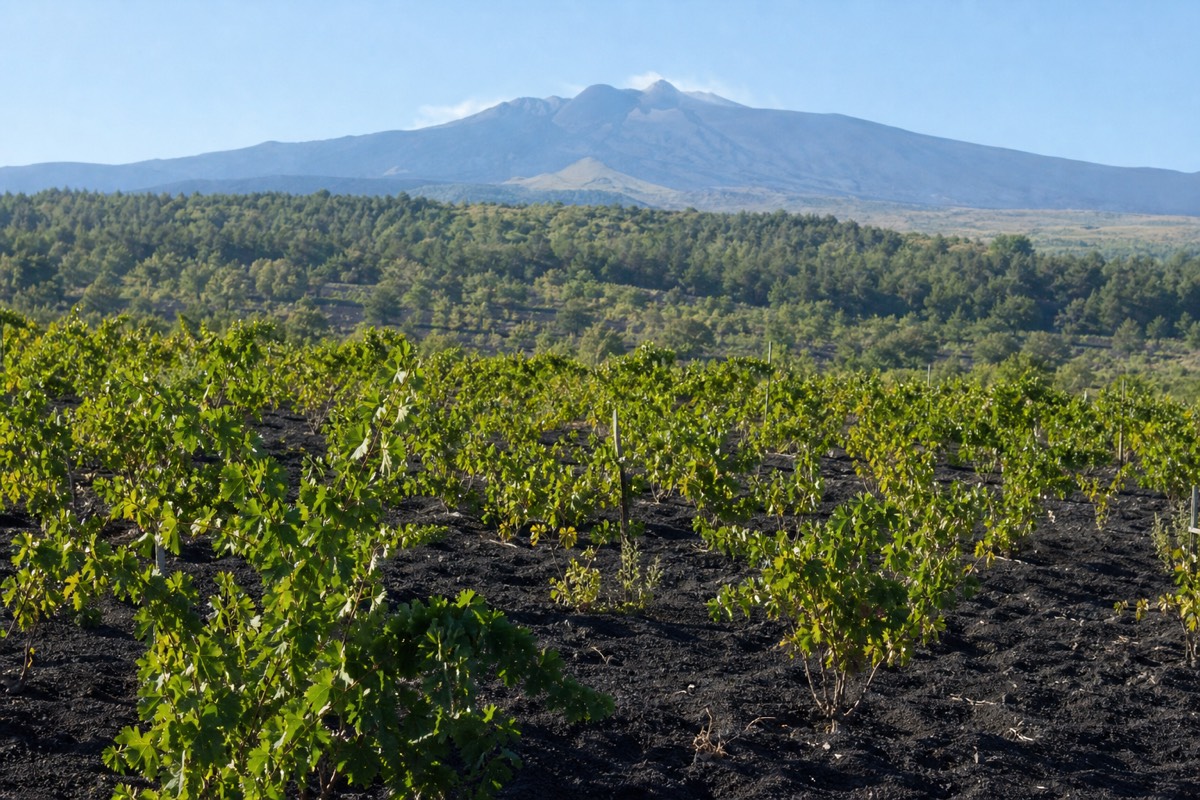
Etna has been growing wine on lava for longer than most of Sicily's coastal vineyards have existed. The volcano that makes the ground here dangerous is the same one that makes the wine distinctive.
For a wine-focused day, choose an actual cellar or winery tasting; honey sampling is a different experience.
At a glance: Choose two wineries from Catania for a tasting-focused day, or combine a cellar visit with Etna. Taormina also has a wine-paired-lunch itinerary. Confirm the actual tasting inclusions.
Etna DOC at a glance
General, well-documented facts about the Etna DOC appellation; see the official consortium (consorzioetnadoc.com) for producer-level detail.
What Is Etna DOC?
Etna DOC is Sicily's volcanic wine appellation, a legally defined zone circling Mount Etna's eastern, northern, and southern flanks where wine has to meet specific rules on grape variety, yield, and production to carry the name. It covers red, white, rosé, and sparkling wine, all grown on the volcano's slopes rather than the flatter land further from it.
DOC stands for Denominazione di Origine Controllata, Italy's system for protecting wine regions by law: only wine produced within the defined boundary, from approved grapes, following approved methods, can be labeled Etna DOC. The zone wraps around Etna's more fertile flanks, generally not the arid west side, and includes well-known wine towns on the north slope like Randazzo, Castiglione di Sicilia, and Linguaglossa, alongside the east and south slopes nearer Milo, Zafferana Etnea, and the villages above Catania. The official body overseeing the appellation, the Consorzio di Tutela dei Vini Etna DOC, publishes the detailed territory boundaries and subzone information for anyone who wants the full legal picture.
What sets Etna DOC apart from most other Italian appellations isn't the paperwork, it's the ground itself. These are working vineyards planted directly into old lava flows and volcanic ash deposits, at elevations most Sicilian wine regions don't reach at all.
| Quick facts | What we know |
|---|---|
| Appellation type | DOC (Denominazione di Origine Controllata) |
| Governing body | Consorzio di Tutela dei Vini Etna DOC |
| Zone | Etna's eastern, northern, and southern volcanic slopes |
| Wine types produced | Rosso (red), Bianco and Bianco Superiore (white), Rosato (rosé), Spumante (sparkling) |
| Signature red grape | Nerello Mascalese |
| Signature white grape | Carricante |
Why Does Volcanic Soil Actually Change the Wine?
Volcanic soil drains fast, holds mineral content that ordinary soil doesn't, and forces vines to root deep for water, all of which winemakers and critics widely credit for Etna wine's distinctive minerality and structure. Every part of the volcano has a slightly different mix of ash age, lava type, and elevation, so wine from one slope can taste noticeably different from wine grown a few kilometers away on another.
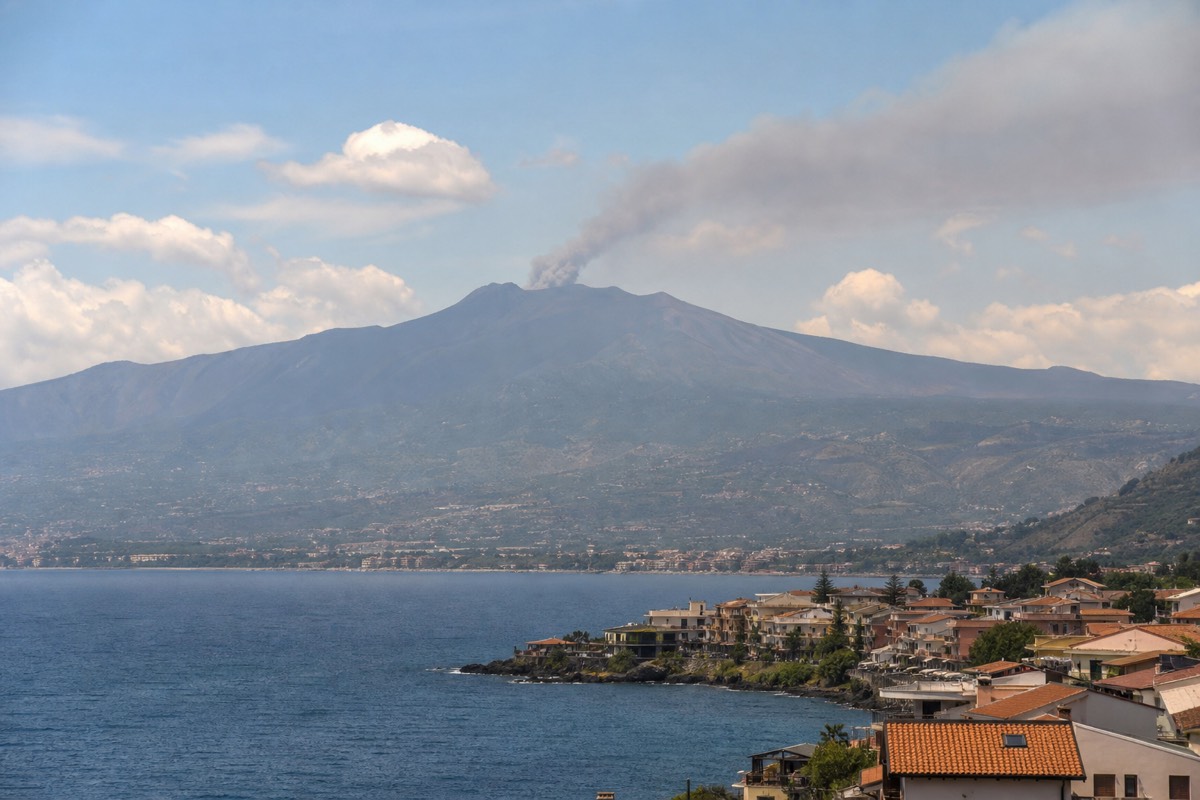
Etna's volcanic soil is mineral-rich and porous rather than dense clay or heavy loam, so water drains through it quickly instead of pooling around the roots. That forces vines to dig deep for moisture, which winemakers generally connect to more concentrated, structured fruit. Layer on the mountain's constant small-scale volcanic activity, ash falls, old cooled lava, mineral deposits, and you get soil composition that shifts from one hillside to the next in a way flatter wine regions don't experience. It's part of why the same grape variety grown on Etna's north slope and its south slope can produce noticeably different wine.
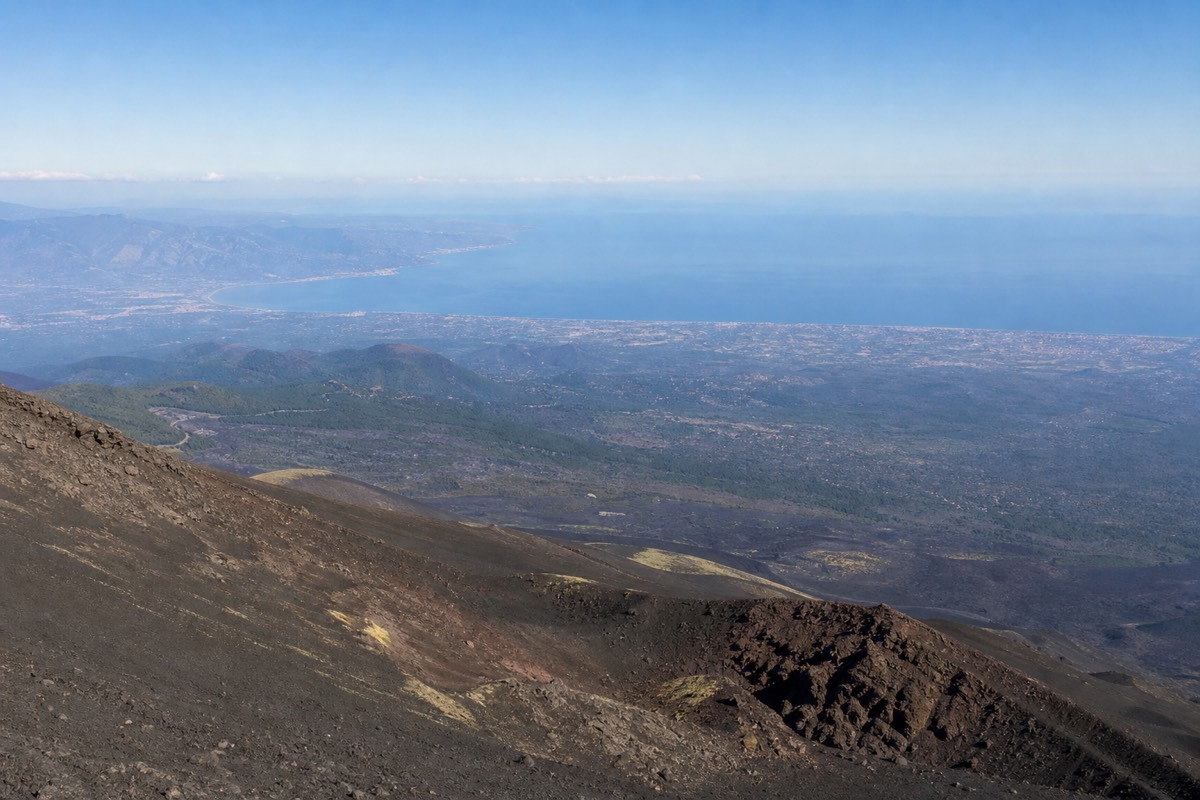
Altitude plays its own role. Etna DOC vineyards climb well above where most Sicilian wine is grown, in places past 1,000 meters, among the higher-altitude vineyards anywhere in Europe. That elevation brings a wider swing between daytime and nighttime temperatures, which slows ripening and is generally credited with preserving acidity and aromatic complexity in the grapes, something warmer, lower-altitude Sicilian vineyards don't get in the same way.
What Grapes Grow on Etna?
Etna Rosso is built mainly on Nerello Mascalese, sometimes blended with the softer Nerello Cappuccio, while Etna Bianco is built mainly on Carricante, often blended with Catarratto. These are the backbone varieties of the appellation, and both are native Sicilian grapes rather than imports.
| Grape | Color | Role in Etna DOC |
|---|---|---|
| Nerello Mascalese | Red | Dominant grape in Etna Rosso and Rosato, known for structure and elegance rather than heavy weight |
| Nerello Cappuccio | Red | Secondary red grape, usually blended in to soften and round out Nerello Mascalese |
| Carricante | White | Dominant grape in Etna Bianco, particularly Etna Bianco Superiore around Milo, known for acidity and minerality |
| Catarratto | White | Secondary white grape, often blended with Carricante |
Etna Rosso in particular has built a strong international reputation over the last two decades, and sommeliers and wine critics regularly draw comparisons to lighter, terroir-driven red wine styles from other volcanic or mountain regions, thanks to that combination of altitude, volcanic soil, and old, often ungrafted vines. Some of Etna's vineyards are planted with vines that predate the phylloxera epidemic that wiped out most of Europe's original rootstock in the late 1800s, because the volcanic soil's texture is inhospitable to the pest. It's a detail that gets Etna singled out in wine writing beyond Sicily. For general background on the grapes and the mountain itself, see the Wikipedia entry on Mount Etna.
What Are the Different Slopes and Subzones?
Etna DOC isn't one uniform vineyard, it's a ring of subzones across the north, east, and south slopes, each with its own elevation range, exposure, and soil age, and producers increasingly label wine by contrada, the local word for a specific named vineyard district. The north slope, around Randazzo, Passopisciaro, and Castiglione di Sicilia, tends to get the most attention in wine writing, but that doesn't make the east or south slopes lesser regions, just different ones.
| Slope | Near | General character |
|---|---|---|
| North | Randazzo, Passopisciaro, Castiglione di Sicilia, Linguaglossa | Highest concentration of well-known producers and contrade, often the reference point in wine writing |
| East | Milo | Associated with Etna Bianco Superiore, the only subzone allowed to use that specific designation |
| South | Nicolosi, Trecastagni, Viagrande, Pedara, Zafferana Etnea | Closer to Catania, generally warmer and lower in elevation than the north slope |
The slopes and contrade below describe the appellation broadly. For a booked tasting, confirm the producers and wines on the itinerary; a tour label alone does not guarantee a particular subzone.
How Old Is Etna's Wine Tradition, Really?
Wine growing on Etna's slopes goes back centuries, well before the modern DOC system existed, since volcanic soil and a Mediterranean climate made the mountain's lower flanks suitable for vineyards long before anyone formalized an appellation around it. What changed more recently is the world paying attention.
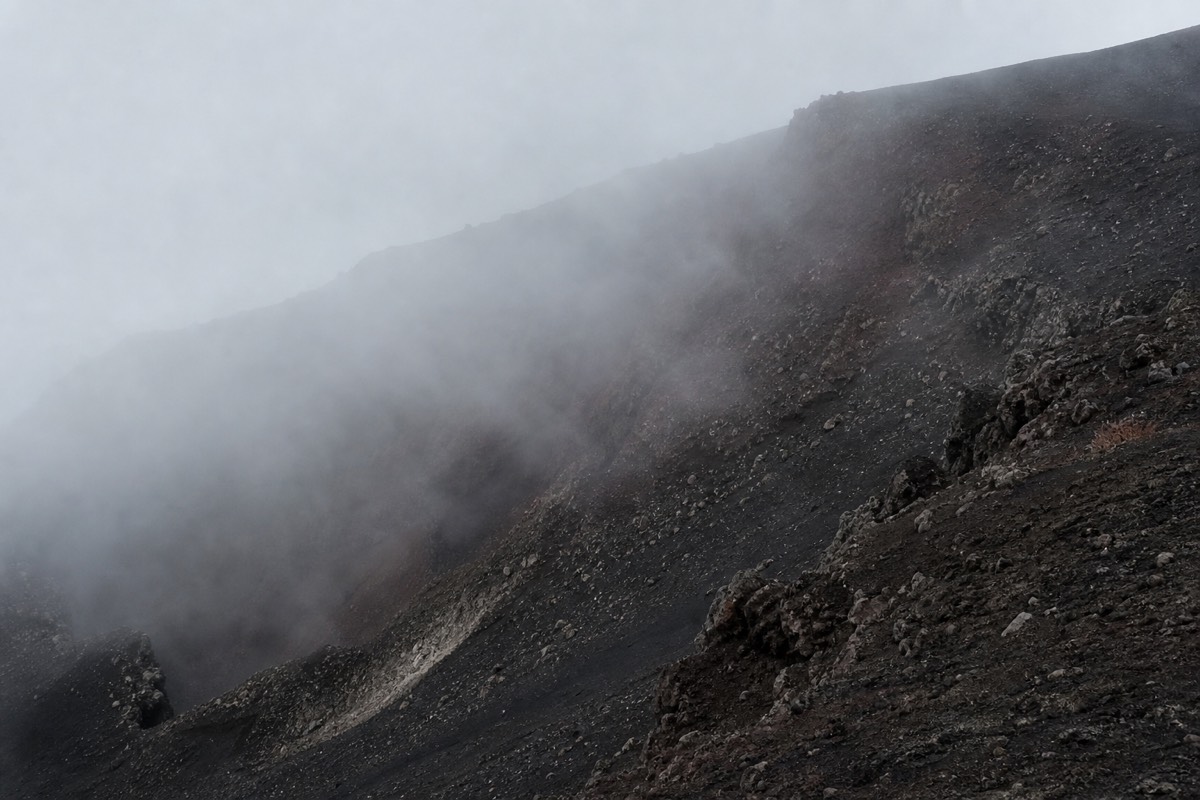
Sicily's wine history stretches back to Greek and Phoenician settlement of the island, and Etna's slopes, with their combination of fertile volcanic soil and manageable elevation on the lower flanks, were cultivated for both grapes and other crops for a very long time before international wine critics started writing about "volcanic terroir" as a marketing category. What's genuinely newer is the modern export-driven wine industry Etna has built since the appellation was formalized and, more specifically, since a wave of both Sicilian and outside investment arrived in the 2000s and 2010s, drawn by the old vines, the altitude, and the story of soil that had barely changed hands in generations. The DOC framework itself exists to protect that identity now that outside demand has caught up with the mountain's long-standing local wine culture.
That history matters for a practical reason: some of the vines still in production on Etna today are old, in wine terms genuinely old, planted well before phylloxera devastated most of Europe's vineyards in the late 1800s. Etna's porous volcanic soil is inhospitable to the root louse that causes phylloxera, so a meaningful number of vines here were never grafted onto resistant rootstock the way almost all other European vineyards were. It's a detail wine writers return to often, because it's rare, and it's real, not folklore.
What Does "Contrada" Mean, and Why Do Producers Use It?
Contrada is the local term for a specific, named vineyard district on Etna, and increasingly producers label wine by contrada the way Burgundy producers label by named vineyard, treating each one as having a distinct character shaped by its exact spot on the mountain. It's a sign of how seriously the region takes the idea that Etna's terroir varies meaningfully over short distances.
| Concept | What it means on Etna |
|---|---|
| Contrada | A specific, named vineyard district, sometimes just a few hectares |
| Why it matters | Soil age, lava type, and elevation shift noticeably from one contrada to the next |
| What it signals on a label | Single-vineyard-style specificity, similar in spirit to Burgundy's named climats |
| Who uses it | Many, though not all, Etna DOC producers; usage has grown as international interest has grown |
You don't need to memorize contrada names to appreciate what they represent: an argument that Etna isn't one wine region with one flavor profile, it's dozens of small, geologically distinct pockets stacked around a single active volcano. That's part of why generalizing about "Etna wine" only goes so far, and why the north, east, and south slope comparison earlier in this guide is itself a simplification of something producers on the ground treat with much finer granularity.
If Wine Is Your Priority, How Do You Actually Visit Etna's Wine Country?
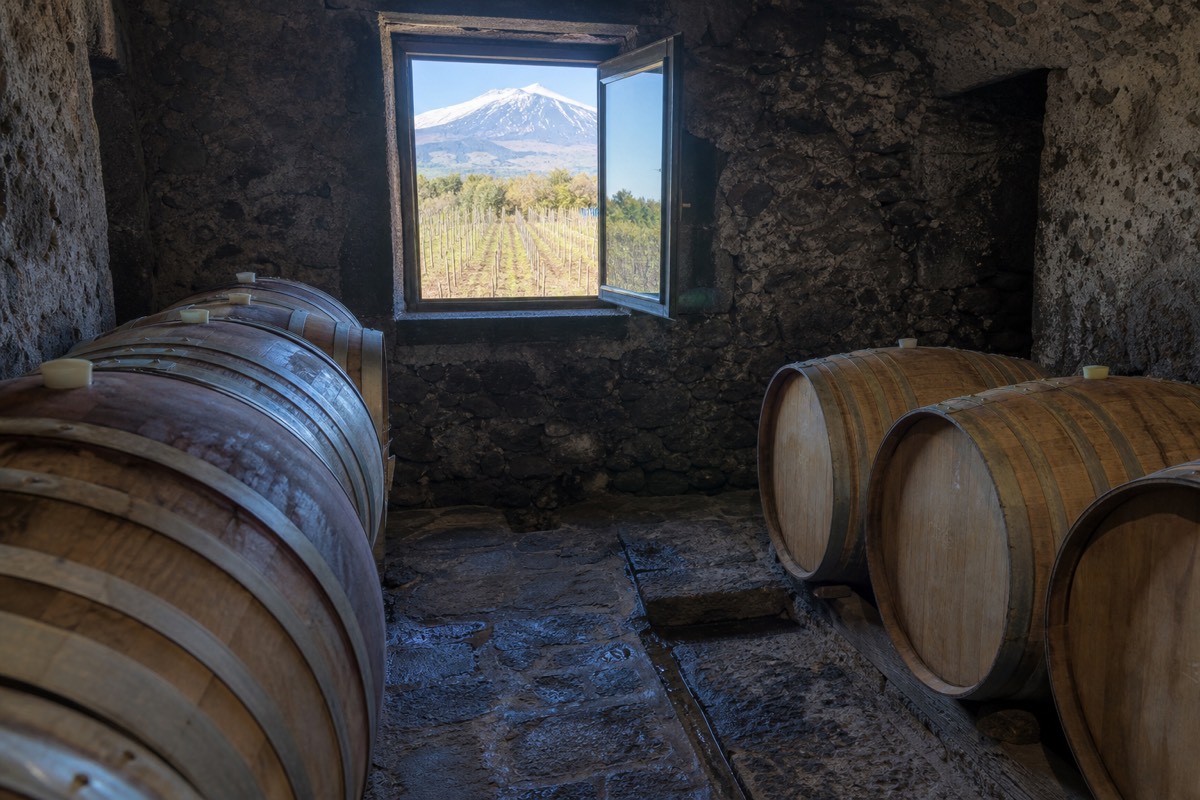
Choose between a dedicated winery day and a volcano itinerary that includes wine. The two-winery day from Catania includes seven tastings and a full lunch. The Etna-and-wine day adds a cellar visit to a volcano outing. From Taormina, a longer Etna, wine and Alcantara itinerary includes lunch paired with wine.
| Approach | Best for | Trade-off |
|---|---|---|
| Arrange cellars independently | Choosing your own producers and pace | Reserve visits in advance and arrange a non-drinking driver or transport |
| Dedicated two-winery day | Comparing wines with lunch and Catania transport | About seven hours; wineries and tasting selection depend on the operator |
| Etna with a cellar visit or wine-paired lunch | Combining volcanic scenery with tasting | Less winery time than a tasting-focused day; check the exact inclusions |
Many smaller Etna wineries welcome visitors by appointment. If particular producers or contrade matter to you, confirm them in advance instead of assuming a general Etna tour will stop there.
Does Any Tour on This Site Include a Wine Tasting?
Yes. This guide now includes verified wine-focused choices. The sunset cave outing still offers honey and olive-oil samples, which should not be mistaken for a wine tasting.
| Experience | Wine inclusion | Starting area |
|---|---|---|
| Two wineries and food tour | Seven wine tastings and full lunch | Catania centre |
| Etna and wine tour | Cellar visit and wine samples | Catania |
| Etna, wine and Alcantara | Wine-paired lunch | Taormina / Giardini Naxos |
| Sunset and lava-cave outing | Honey and olive oil; not wine | Catania or Taormina product |
What Are the Four Etna DOC Wine Styles?
Etna DOC covers four recognized styles, red (Rosso), white (Bianco, including the stricter Bianco Superiore), rosé (Rosato), and sparkling (Spumante), each with its own grape rules under the appellation. Rosso gets most of the international attention, but the other three styles are a real part of the region's output, not an afterthought.
| Style | Primary grape(s) | General character |
|---|---|---|
| Etna Rosso | Nerello Mascalese, often with Nerello Cappuccio | Structured, savory, comparatively light-bodied for a southern Italian red |
| Etna Bianco | Carricante, often with Catarratto | High acidity, mineral-driven, ages well for a white wine |
| Etna Bianco Superiore | Carricante, minimum 80%, tied specifically to the Milo subzone | Stricter rules, generally regarded as the appellation's top white tier |
| Etna Rosato | Nerello Mascalese | Dry rosé, less common outside the region than the reds and whites |
| Etna Spumante | Nerello Mascalese and/or Carricante | Traditional and other méthode sparkling wine, a smaller share of total production |
Is Etna Rosso Actually Good Wine?
Yes, and this isn't just marketing: Etna Rosso has earned a genuinely strong reputation among sommeliers and critics over the past two decades for its structure, acidity, and terroir-driven character, built on volcanic soil and old vines rather than heavy oak or high alcohol. It's often described as more restrained and elegant than warmer-climate Sicilian reds from further down the mountain.
Yes. The verified choices here include a two-winery day, an Etna-and-cellar visit, and a Taormina itinerary with wine-paired lunch. Choose the amount of winery time you want before booking.
What Kind of Wine Is Etna, and How Many Wineries Are There?
Etna DOC produces mostly red wine from Nerello Mascalese, alongside a smaller but well-regarded white wine tradition built on Carricante, plus rosé and sparkling wine in smaller volume. On the number of wineries, we won't invent a precise figure: the region has grown from a small handful of producers decades ago to a much larger number of wineries and label-holders today, and the current count is best checked directly with the consortium rather than repeated as a fixed statistic here.
If you see a specific winery count cited elsewhere, treat it cautiously, since the number changes as new producers register and others merge or close. What's consistently true is the direction: Etna DOC has grown substantially since international interest picked up in the 2000s and 2010s, and it now supports a meaningfully larger wine industry than it did a generation ago. For an itinerary built specifically around Etna's wine country rather than the volcano's summit, that's a separate trip to plan alongside, not instead of, the trekking and crater tours covered on this site.
Yes. The verified choices here include a two-winery day, an Etna-and-cellar visit, and a Taormina itinerary with wine-paired lunch. Choose the amount of winery time you want before booking.
For travelers based in Taormina, which sits closer to the northern wine slopes than Catania does, the site's best day trips from Taormina guide covers how wine country, the Alcantara Gorges, and Etna itself fit together geographically. And if you're weighing which of the six Etna tours to book at all, the full tour comparison guide lays out every option side by side.