Can You See Mount Etna from Taormina or Catania?
Yes to both, but the two views could hardly feel more different: one is one of the most photographed volcano views on the planet, the other is a working city glancing up at its own backyard.
A city view or the lower craters may be enough. If you want to go further, compare the actual route, starting point and included transport before choosing a paid outing.
At a glance: Taormina offers the classic theatre backdrop; Catania has city views. Cloud can hide the summit. A mountain tour is optional for a closer look.
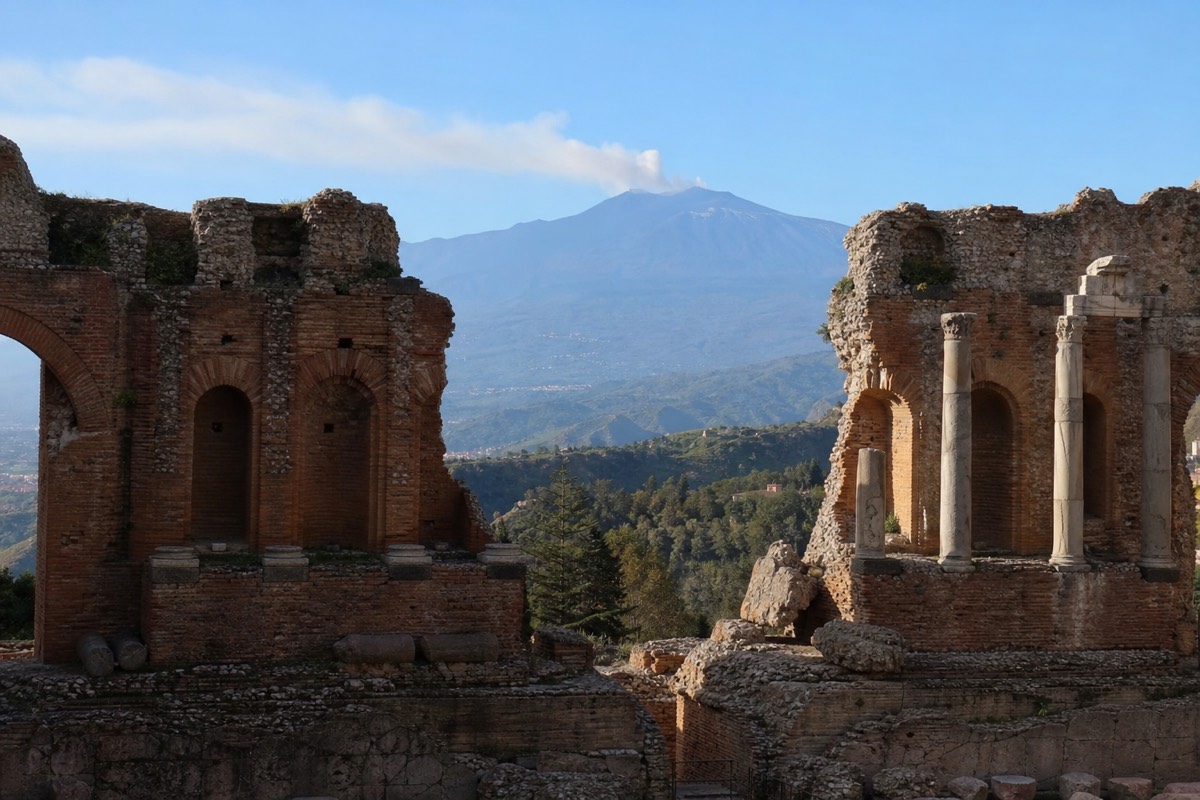
Can you see Mount Etna from Taormina?
Yes, and Taormina's ancient Greek theatre offers one of the most famous Etna views in the world, with the volcano framed directly behind the ruined columns and stage. On a clear day, the sightline is dramatic enough that it's become one of the most photographed volcano views anywhere, not just in Sicily.
The theatre was built by Greek settlers and later expanded by the Romans, and whether or not the original builders planned the sightline deliberately, the result is a genuinely striking composition: ancient stone in the foreground, the Ionian Sea to one side, and Etna rising behind it all. It's a real, well-documented view, not a marketing exaggeration, and it's a big part of why Taormina draws visitors independent of any interest in the volcano itself. Beyond the theatre, various terraces, hillside streets and viewpoints around town catch glimpses of Etna too, though none match the theatre's framing.
Can you see Mount Etna from Catania?
Yes, Catania also has real views of Etna, especially from higher points in the city, though it's a more urban vantage than Taormina's postcard framing. Etna sits close enough to Catania that the volcano is a genuine part of daily life there, visible from streets, rooftops and the harbor on clear days.
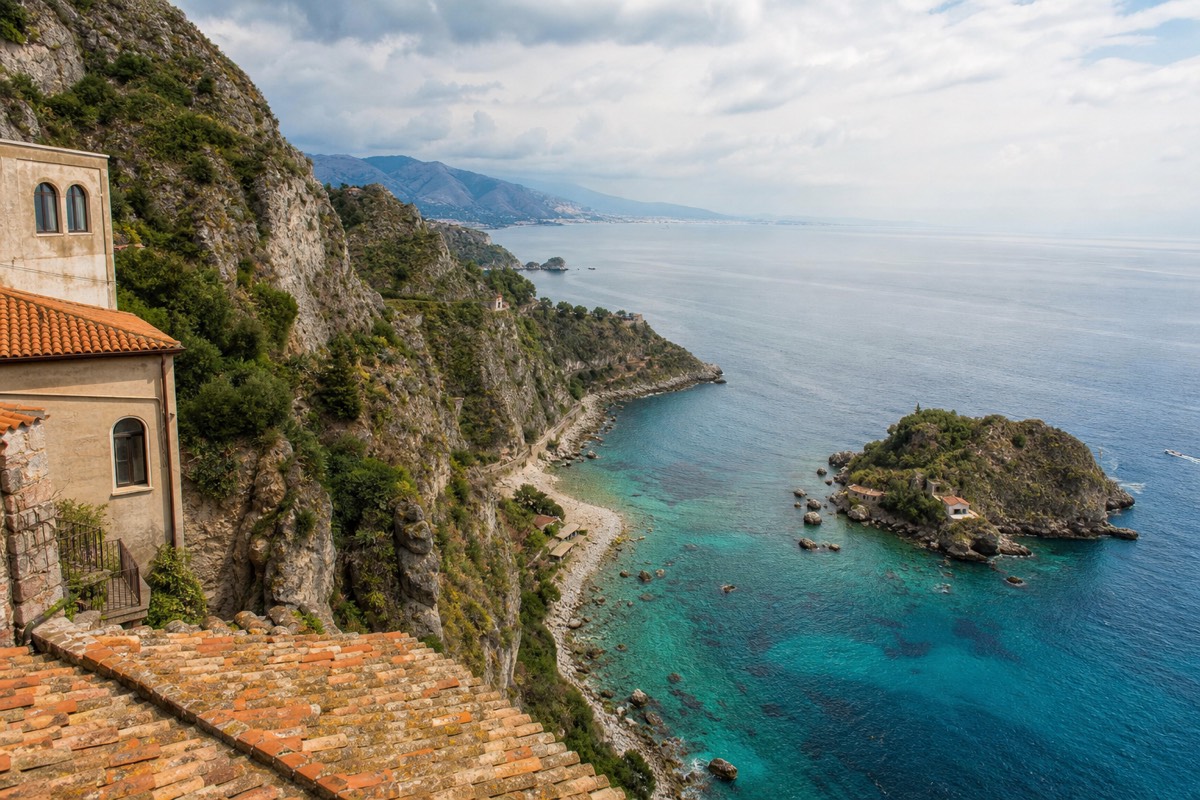
Catania's relationship with Etna is less about a single iconic viewpoint and more about constant, everyday proximity. The city's historic buildings are built from Etna's own black lava stone, and the volcano's silhouette shows up behind the cathedral square, from elevated neighborhoods, and along the coast road on a clear morning. It's a less curated, more lived-in view than Taormina's, which fits Catania's identity as a working city rather than a resort town. For more on choosing between the two as a base, see our Catania or Taormina: where to stay guide.
Do you need a car to get a good Etna view, or can you see it without driving?
No car is needed for either city's best-known view: Taormina's Greek theatre is walkable from the town center, and Catania's elevated streets and squares are reachable on foot too. A car (or a guided tour) becomes useful once you want to get closer to the volcano itself rather than just view it from a distance.
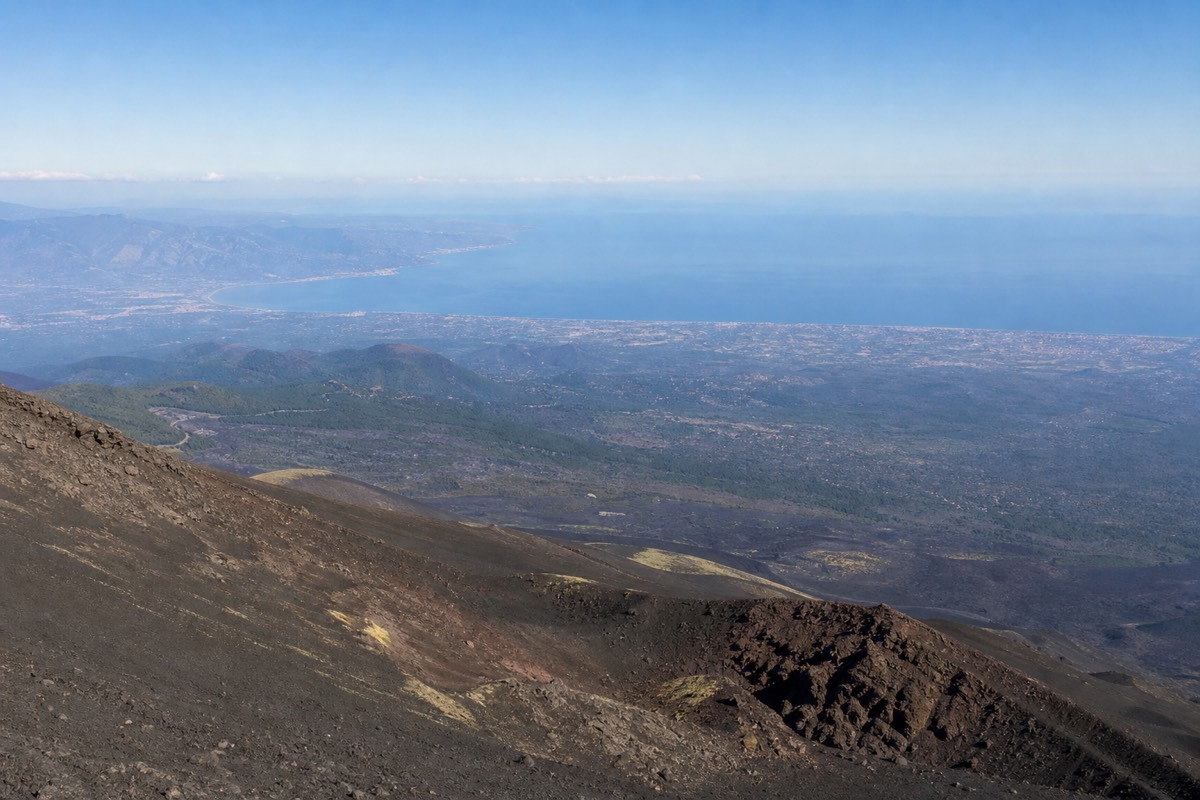
If your goal is purely the view, both towns deliver it without renting anything or booking a guide. Where a car or tour matters is the next step up: actually reaching Etna's slopes rather than admiring them from town. That's a different experience entirely, and the hidden trails trekking tour from Catania takes that next step, departing from the city and climbing to around 2,400m past the Silvestri Craters and a 2001 lava front. For the northern approach through Taormina's side, the Etna and Alcantara Gorges full-day tour covers the Ragabo pine forest and the Sartorius Craters before finishing at the gorges themselves.
What's the actual best viewpoint if I only get one?
For a single, unforgettable frame, Taormina's Greek theatre is the well-documented standout, especially in the golden light of early morning or late afternoon when the volcano's outline stands out against the sky. For a more immersive, up-close experience rather than a distant view, an actual Etna excursion beats any city viewpoint.
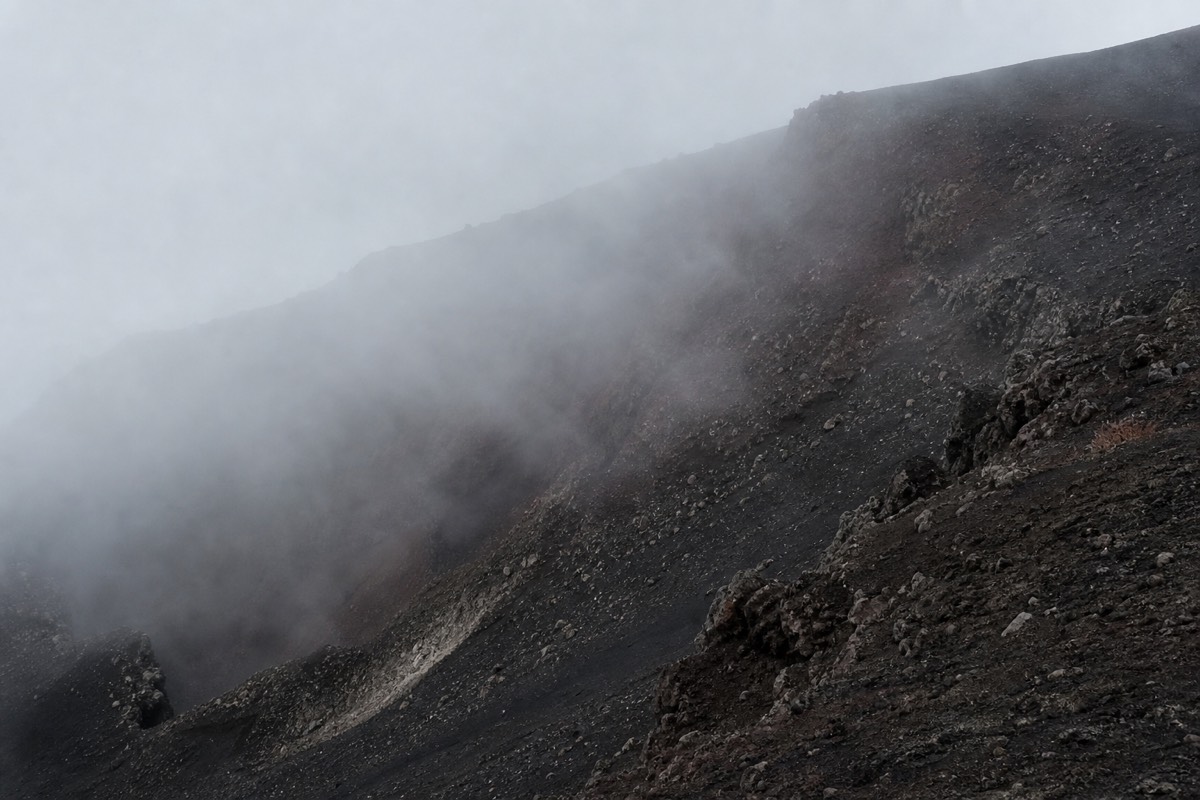
Photographers chase the theatre specifically because of that one composition, and it's worth timing a visit for clearer weather since Etna's upper slopes can hide behind haze or cloud, particularly in the middle of the day. But a viewpoint, however good, is still a distant look at the mountain. Getting onto Etna itself, whether that's a sunset trek to a lava cave or a full-day crossing of its northern slope, is a genuinely different category of experience. The Etna sunset adventure with trek, lava cave and tasting ends with sunset light over the Valle del Bove from the mountain itself, a view no city terrace can match. See the full tour comparison guide if you want to weigh viewpoint trips against on-mountain excursions directly.
Do photos of Etna from Taormina exaggerate how close it looks?
Often, yes. Many of the dramatic Taormina-and-Etna photos circulating online are shot with a telephoto lens that compresses distance, making the volcano look like it's looming directly behind the theatre when in reality it sits a real distance away across the coastline. The view is genuine, but the framing is usually more flattering than the naked eye.
That's not a complaint, just a useful thing to know before you show up expecting the exact zoomed-in composition from a postcard. Standing at the theatre with your own eyes, Etna is unmistakably there, a huge presence on the horizon, but it reads more as a backdrop across real distance than a mountain looming over your shoulder. A longer lens or even a phone's zoom will get you much closer to the classic shot than the wide, honest view most visitors actually experience in person.
Why does Etna look different in height or shape depending on when you visit?
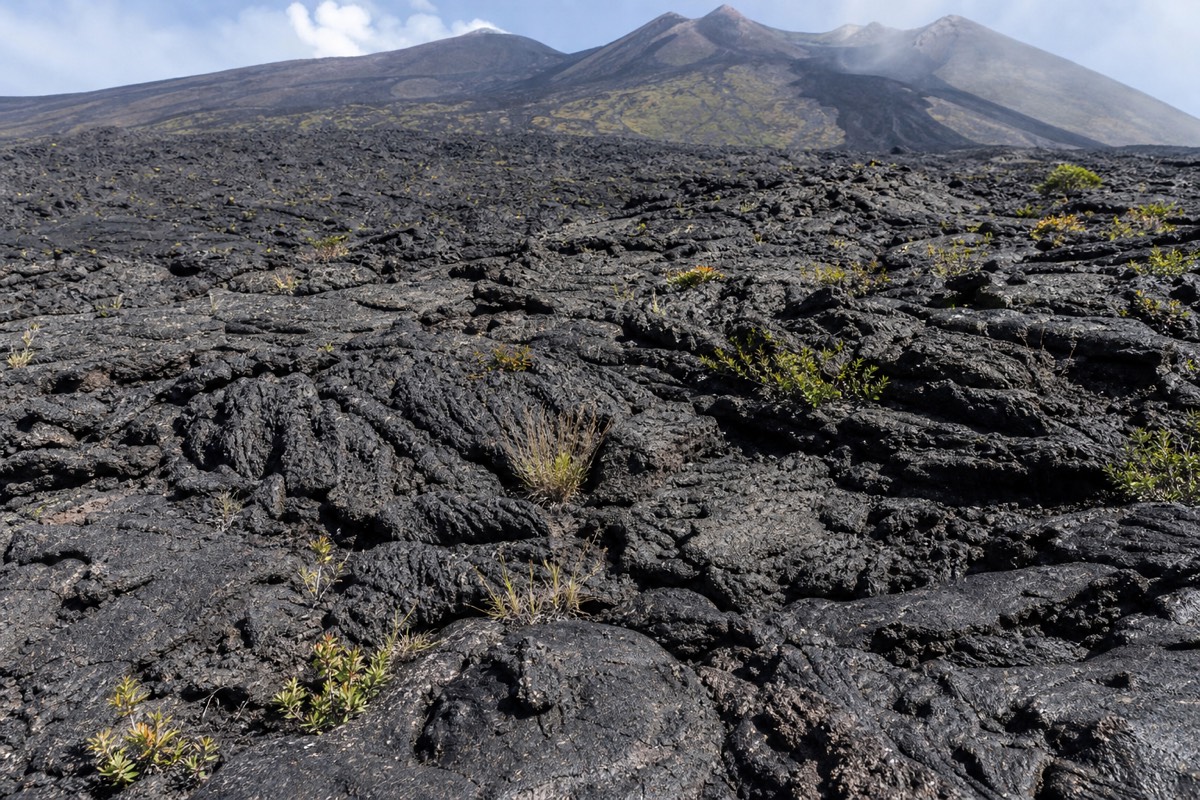
Etna's summit isn't a fixed, static shape: its elevation and crater profile shift over time as eruptions build up or collapse parts of the cone, which is one reason the volcano is described with a range around 3,300-3,400m rather than one exact number. That's part of what makes both the Taormina and Catania views feel genuinely alive rather than a static postcard backdrop.
This isn't a minor technicality. Etna's ongoing activity, the same activity that draws visitors to hike, tour and photograph it, is also what makes it Europe's most geologically dynamic peak, a status reflected in its UNESCO World Heritage listing. Whichever town you're viewing it from, keep in mind you're looking at a mountain that's still actively being shaped, not a fixed monument.