Hiking Mount Etna: Routes & Difficulty
Etna has an easy fifteen-minute crater walk and a genuinely demanding trek to 3,400m, and the gap between them is bigger than most trip write-ups let on.
A city view or the lower craters may be enough. If you want to go further, compare the actual route, starting point and included transport before choosing a paid outing.
At a glance: Choose by walking demands as well as altitude. Hidden Trails involves about 550m ascent; upper Etna requires appropriate fitness and health checks. A lower-crater outing is a different experience.
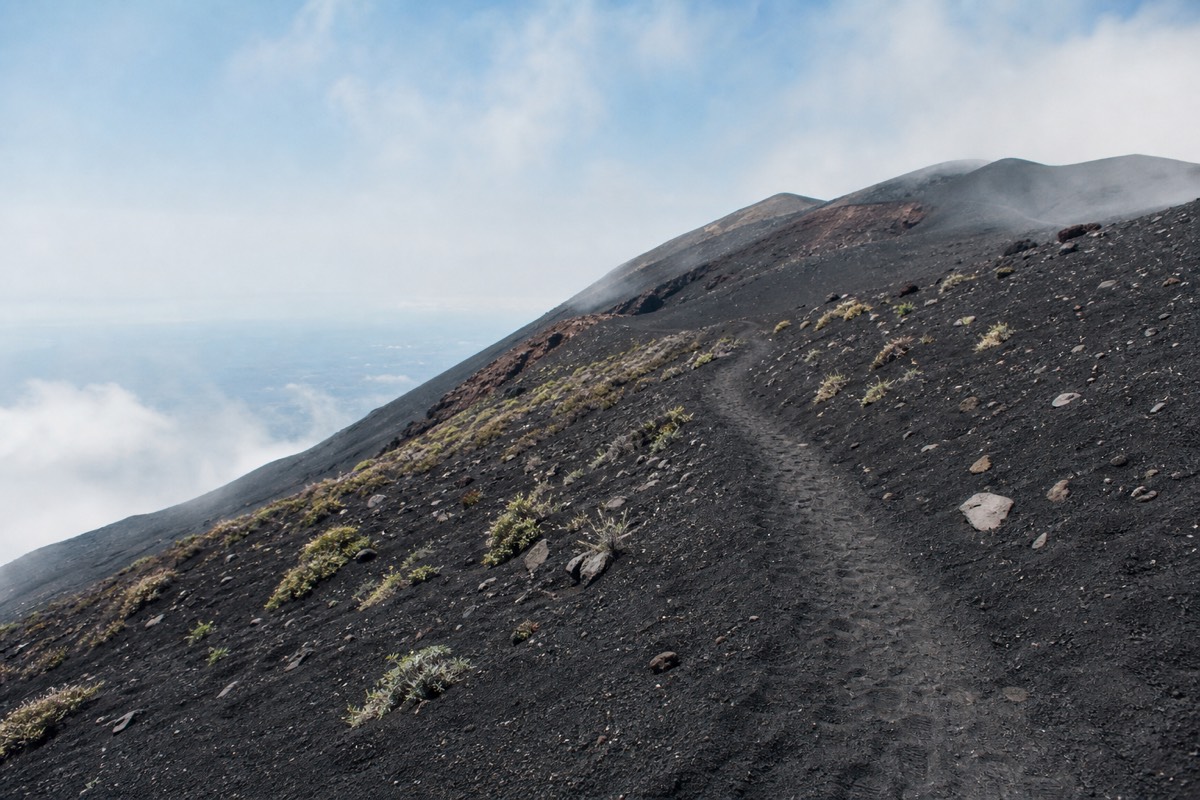
Etna's routes, from a stroll to a summit push
Altitudes and durations reflect the operators' own published route descriptions on GetYourGuide.
What are the main hiking route options on Etna?
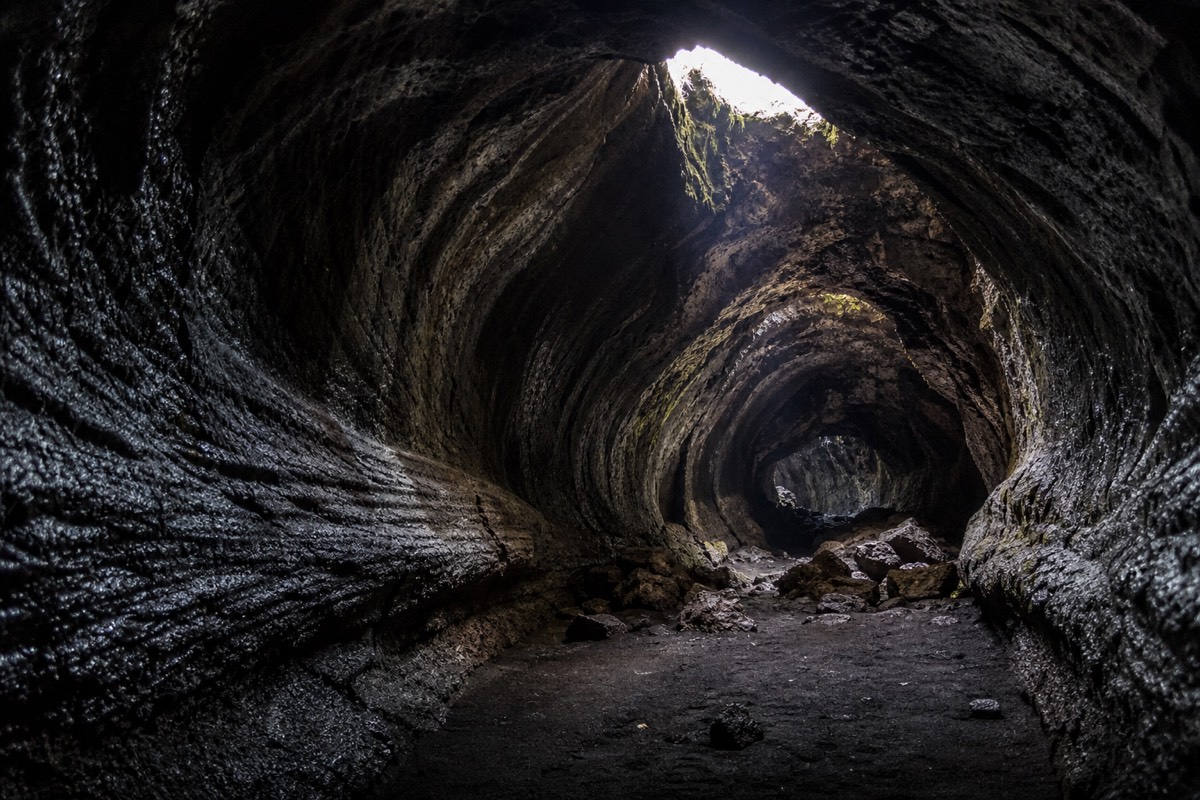
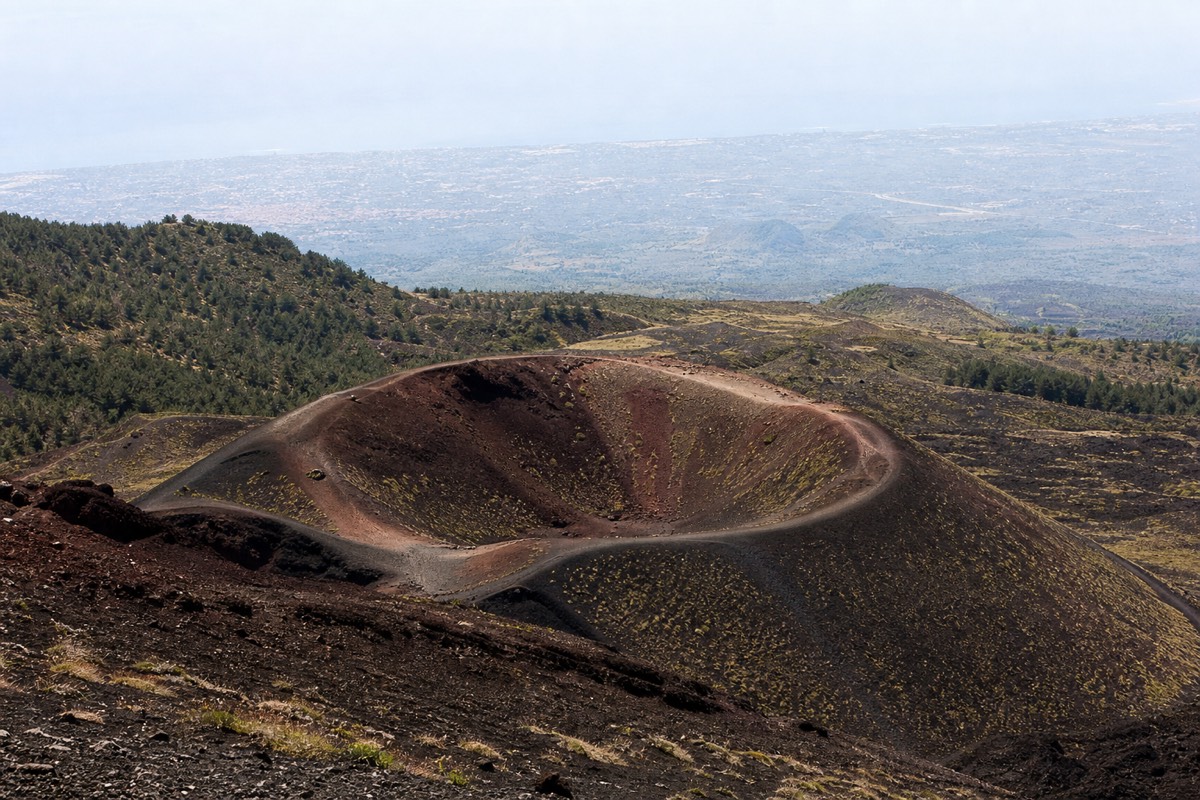
Four distinct tiers cover most visitors: an easy walk around the Silvestri Craters near Nicolosi, a moderate trek into the Valle del Bove reaching about 2,400m, a sunset-timed trek near Rifugio Sapienza around 2,000m with a lava cave stop, and the demanding summit approach to 3,000m or 3,400m near the Central Craters.
Most write-ups about "hiking Etna" flatten these into one generic activity, which does a disservice to anyone trying to pick the right day. A family with young kids and a fit hiker chasing altitude are not looking for the same trail, and Etna genuinely has routes suited to both, provided you know which is which before booking rather than after.
The distance between "easy" and "demanding" here is mostly about elevation, terrain, and time on your feet, not about needing technical climbing skill. None of Etna's standard tourist routes require ropes or scrambling. What they do require, at the harder end, is fitness, proper footwear, and tolerance for thin air and loose gravel underfoot.
The difficulty ladder: easy to demanding
Silvestri Craters sits at the easy end, a short, flat walk around dormant cones near Nicolosi. The Valle del Bove trek and the sunset trek both sit in the moderate range, involving real distance and some altitude gain but manageable fitness demands. The summit approach to 3,000m or 3,400m is the genuinely demanding tier, with sustained altitude, loose gravel, and cold wind.
| Route | Max altitude | Terrain | Difficulty | Typical duration |
|---|---|---|---|---|
| Silvestri Craters walk (near Nicolosi) | Around 1,900m, minimal gain | Flat, well-trodden paths around dormant cones | Easy | 15-30 minutes |
| Etna sunset trek (southern slope near Rifugio Sapienza) | Around 2,000m | Established trails through extinct craters, one lava cave section with helmet and headlamp | Easy to moderate | Part of a 5-hour tour |
| Valle del Bove / Hidden Trails trek | Around 2,400m | Naturalistic trail past the 2001 lava front, roughly 550m of altitude gain, finishing with a slide down soft volcanic ash | Moderate | Part of a 7-hour full-day tour |
| Summit trek, moderate route | Around 3,000m | Volcanic gravel above the cable car and 4x4 drop-off point | Moderate to demanding | Part of a 6-hour tour |
| Summit trek, Central Craters route | Up to 3,400m | Loose gravel that shifts underfoot, thin air, exposed and often windy | Demanding | Part of a 6-hour tour |
Guides on the summit trek make the call between the 3,000m and 3,400m options on the day, based on both group fitness and current conditions, which is a useful signal about how seriously the difficulty jump between those two levels should be taken.
What actually makes the summit approach hard?
Three factors compound: altitude thins the air enough to slow most people down noticeably, the ground itself is loose volcanic gravel that gives way underfoot rather than offering a stable surface, and wind chill at 3,000m-plus can turn a mild day at the coast into a genuinely cold one on the mountain.
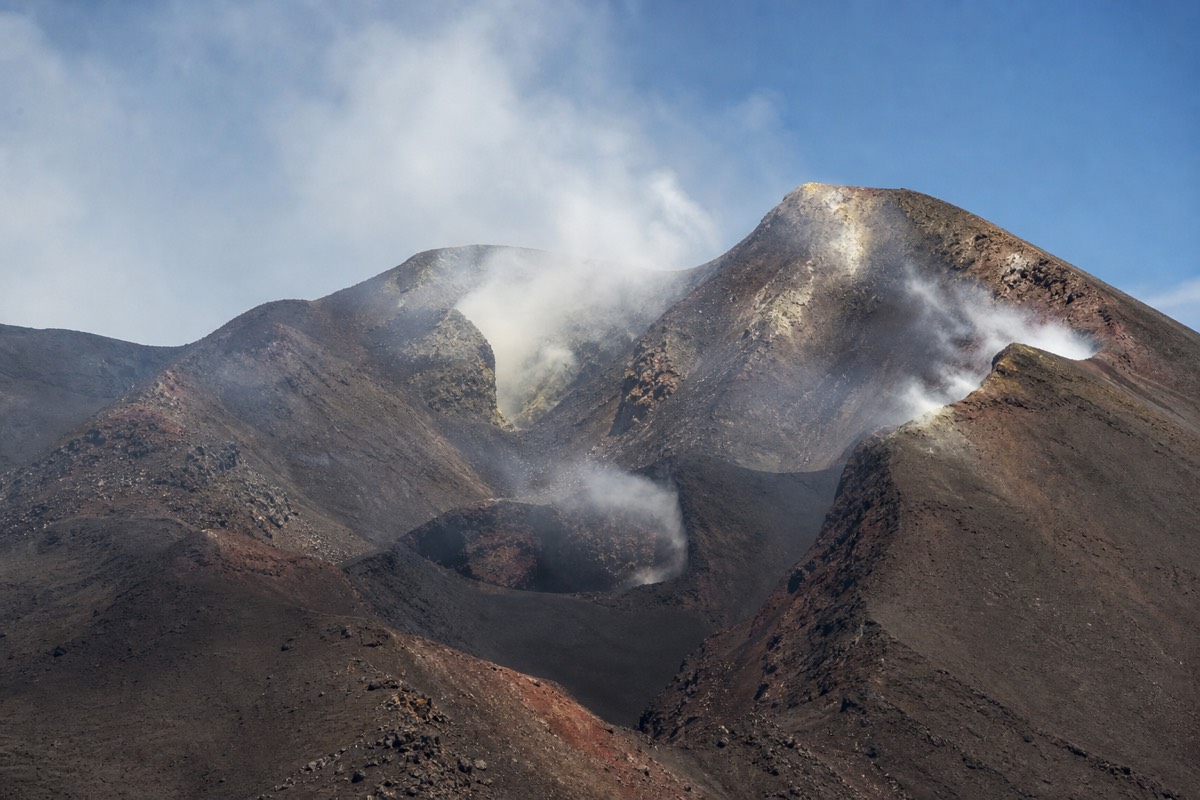
None of these three factors is dangerous in isolation for a reasonably fit adult with the right gear and a guide. Together, over several hours, they add up to real fatigue, which is exactly why the operator markets this specific route as a workout, not a stroll. Being honest with yourself about fitness level before choosing the 3,400m option over the 3,000m one is the single most useful piece of advice anyone gives about this hike, and it comes directly from guides who see people misjudge it.
Footwear matters more here than on any other route on the mountain. Sturdy hiking boots or sports shoes with real grip make a measurable difference on the gravel; smooth-soled sneakers do not hold the same way. Some operators provide gear on request when available, but bringing your own broken-in boots removes the uncertainty entirely.
What does the moderate Valle del Bove route actually involve?
A full-day naturalistic trek from Catania or Trecastagni past the Silvestri Craters and the 2001 lava front, climbing roughly 550 meters to reach 2,400m in the Valle del Bove, a huge depression carved into Etna's eastern flank by past collapses and lava flows.
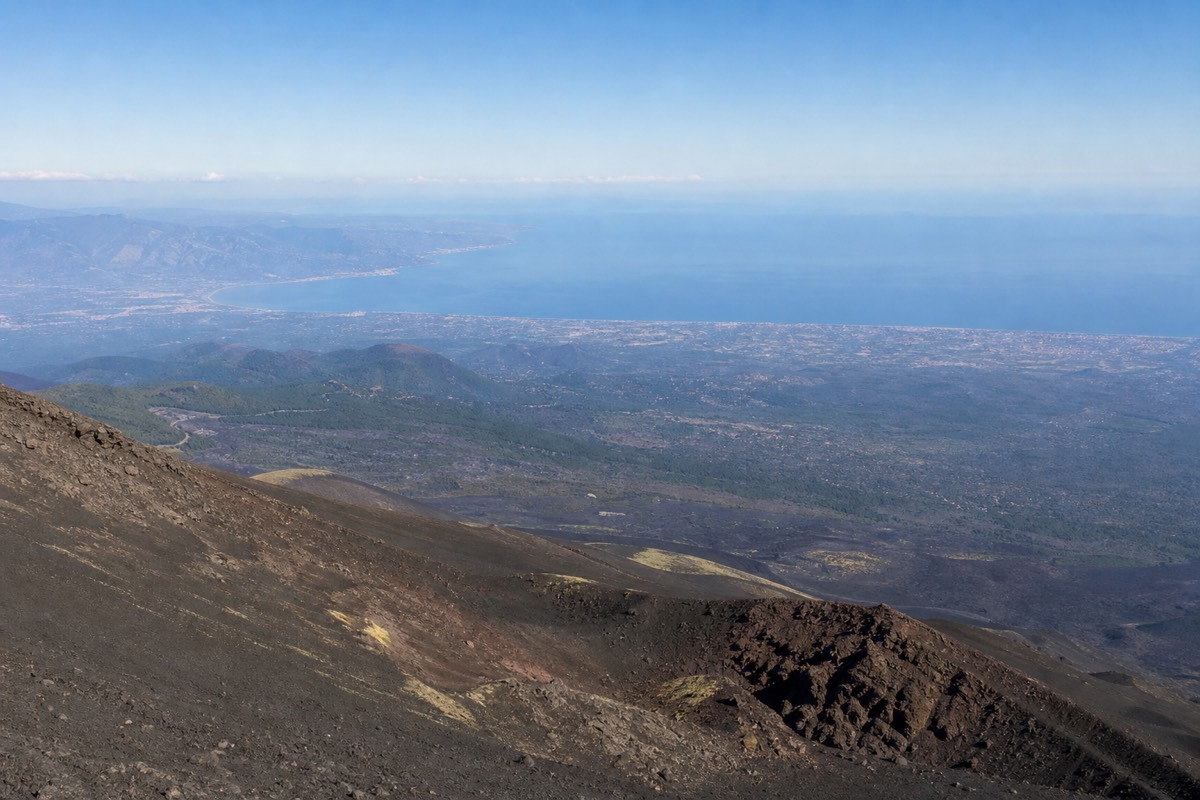
This is the route the Hidden Trails trekking tour is built around, and it sits in a useful middle ground: real distance and altitude gain across the Valle del Bove, but on a maintained trail with trekking shoes, poles, and jackets provided, plus a caving helmet for a short lava-flow cave section near the end. The day finishes with a genuinely fun detour, a slide down a slope of soft volcanic ash that turns a serious hike into something closer to a controlled scramble for its last stretch. Children under 10 are not permitted on this route, which is a fair proxy for how much sustained walking it actually demands.
What does the easier sunset trek offer instead?
A shorter, more accessible trek through extinct craters on the southern slope around 2,000m, paired with a lava cave visit and a local farm tasting, ending with sunset views over the Valle del Bove rather than a summit approach.
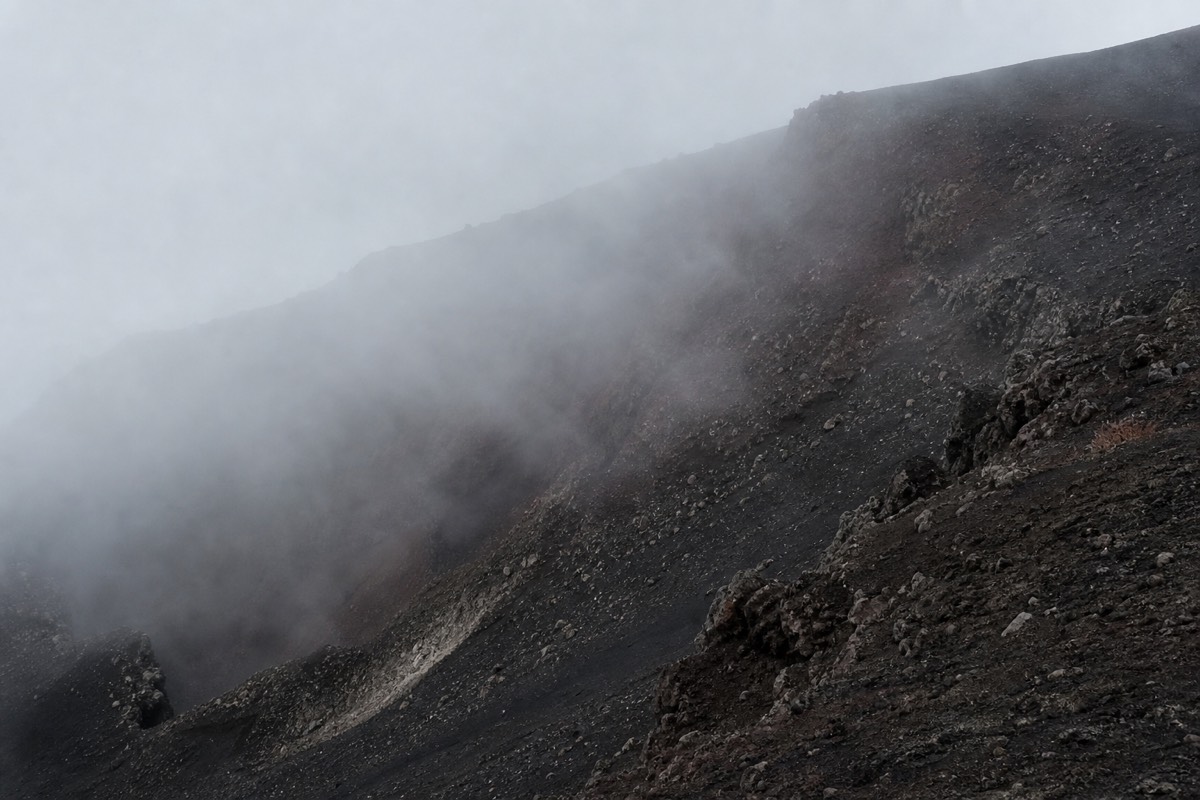
The Etna sunset adventure trades altitude and distance for atmosphere and timing. It caps at a small group of eight, keeps the trekking portion approachable for people without serious hiking experience, and adds a farm stop for honey, olive oil, and local products that the harder routes skip entirely. For visitors torn between wanting a real hike and wanting an easier evening out, this route is the honest middle path, not a watered-down version of the summit trek but a different kind of day built around light rather than altitude.
How should you choose between these routes?
Match the route to your actual fitness and time budget rather than to what sounds most impressive. A moderate hiker with limited time gets more out of the Valle del Bove trek or the sunset route than an exhausting push to 3,400m that leaves no energy to enjoy the summit crater views once there.
| If you are... | Best-suited route |
|---|---|
| New to hiking, want an easy taste of the volcano | Silvestri Craters walk or a cable car-based tour |
| Reasonably fit, want atmosphere over altitude | Etna sunset adventure |
| Fit, want a full-day trek with real terrain variety | Hidden Trails trekking tour |
| Very fit, specifically want the highest accessible point | Guided summit trek to 3,400m |
If price is as much of a factor as difficulty in your decision, the full lineup with cost sits in how much a Mount Etna tour costs, and a broader side-by-side of all six routes is in the full tour comparison.
What should you bring regardless of which route you pick?
Sturdy closed-toe footwear with real grip, a windproof layer, water, and sun protection cover almost every scenario on Etna's trails, since altitude, wind, and strong UV exposure show up across all four difficulty tiers, not just the hardest one.
Even the easy Silvestri Craters walk sits at nearly 1,900m, high enough for stronger sun exposure than the coast and cool enough in the morning to want a layer. On the harder routes, the same basics matter more, just with a wider margin for error required. Trekking poles, where offered, are worth using on the descent sections in particular, since loose gravel is often harder on the way down than the way up.
What fitness level do you honestly need for each route?
A ladder based on how you'd rate your own regular activity level maps fairly well onto Etna's route options: casual walkers suit the easy tier, regular walkers or light hikers suit the moderate treks, and only those who hike or exercise regularly should target the demanding 3,400m route.
| Self-rated fitness | Suggested route | Why |
|---|---|---|
| Rarely exercises, wants an easy outing | Silvestri Craters walk | Flat, short, minimal altitude gain |
| Walks regularly, no serious hiking background | Etna sunset adventure | Moderate trekking with plenty of built-in stops and a small group pace |
| Hikes occasionally, comfortable with a full day outdoors | Hidden Trails trek to the Valle del Bove | Real distance and 550m of gain, but on a maintained trail with gear provided |
| Hikes regularly, comfortable at altitude | Summit trek, 3,000m route | Sustained altitude and loose terrain without the added strain of the highest approach |
| Very fit, specifically seeking the hardest option | Summit trek, 3,400m Central Craters route | Combines altitude, distance, and terrain difficulty at their highest levels on the mountain |
How does altitude actually affect an unacclimatized hiker?
Above roughly 2,500m, most visitors notice some combination of faster breathing, quicker fatigue, and a slower comfortable pace than they'd expect at sea level, even without any prior altitude experience. This is a normal physiological response, not a sign that something is wrong, and it typically eases once you slow down and pace yourself.
Altitude illness can affect unacclimatized visitors at the elevations reached on Etna. Fitness does not rule it out. Discuss relevant health conditions with a clinician before high-altitude travel, and tell the guide about symptoms rather than continuing higher.
What gear differs from route to route?
Provided equipment varies by tour: the Hidden Trails trek supplies trekking shoes, poles, jackets and a caving helmet, the sunset trek offers trekking shoes on request, and the summit trek expects most visitors to bring their own sturdy footwear, with a helmet included for safety.
| Route | Provided by the operator | Worth bringing yourself |
|---|---|---|
| Silvestri Craters walk | Nothing specific; self-guided | Comfortable closed shoes, sun protection |
| Sunset adventure | Helmet and headlamp for the lava cave; trekking shoes on request | Windbreaker for the temperature drop at sunset |
| Hidden Trails trek | Trekking shoes, poles, jackets, caving helmet | Sunscreen and a hat for the exposed 2,400m ridge |
| Summit trek | Helmet and safety insurance | Your own broken-in hiking boots, thermal layers, windbreaker |
How do group size and pacing differ across routes?
Smaller-group tours generally move at a more personalized pace and allow more flexibility for slower hikers, while larger groups on the more mechanized routes move on a fixed schedule tied to cable car and 4x4 departure times.
| Route | Typical group size | Pacing style |
|---|---|---|
| Sunset adventure | Small, capped at 8 | Relaxed, timed around golden hour rather than a strict schedule |
| Hidden Trails trek | Small, capped at 8 | Steady full-day pace with a fixed lunch stop |
| Summit trek | Small to medium group | Guide-led pace, adjusted for group fitness and conditions on the day |
If a slower, more personal pace matters more to you than reaching the highest possible point, the smaller-group treks are worth weighing over the summit route even if their listed altitude is lower. For the complete side-by-side across all six tours, including the non-hiking options, see the full tour comparison.
What does a full trekking day actually look like, start to finish?
A full-day trek like the Hidden Trails route runs roughly seven hours door to door, starting with an early pickup, a short transfer to the trailhead, several hours of walking with a lunch break, and a return that leaves the later afternoon free.
| Approximate time | What's happening |
|---|---|
| Early morning | Pickup from Catania or a short van ride from Trecastagni |
| Mid-morning | Trailhead start near the Silvestri Craters, gear fitted (boots, poles) |
| Late morning | Trek through the 2001 lava front toward the Valle del Bove |
| Midday | Lunch break at the high point, around 2,400m |
| Early afternoon | Descent, including the ash-slide section, back toward the trailhead |
| Late afternoon | Return transfer to Catania |
Shorter routes compress this same shape: the sunset trek runs about five hours and times its descent to finish right as the light goes gold over the Valle del Bove, while the summit trek's six hours are weighted more heavily toward the ascent and the guided walk near the craters than toward a leisurely lunch stop.
What trail conditions change with the seasons?
Snow can cover sections of the higher trails from roughly December through April, which doesn't close the routes but does change the gear needed and, on the higher approaches, can shift the guide's decision on how far up to take the group that day.
| Trail section | Winter/early spring reality |
|---|---|
| Silvestri Craters area | Usually clear, occasional light snow dusting |
| Valle del Bove approach (Hidden Trails route) | Can be snow-covered into April; provided boots and poles handle this |
| Summit trek above 3,000m | Frequently snow and ice; route and pace adjusted accordingly, sometimes capped lower |
Snow on the trail is not automatically a reason to worry. Several tours factor it in as a normal seasonal condition rather than a disruption, and a snow-dusted trek across black lava is, for many visitors, more memorable than the same route in plain summer dust. For the fuller weather picture across the year, see Mount Etna weather and best time to visit.
How does hiking Etna compare to hiking other volcanoes people mention alongside it?
Etna's tourist routes are notably more infrastructure-supported than many volcano hikes elsewhere, with cable car access, certified guides required above certain altitudes, and provided gear on several routes, which makes it more approachable for a general traveler than a self-guided volcano trek typically is.
People sometimes arrive expecting either a technical mountaineering challenge or a casual stroll, and Etna's actual routes sit in a deliberately managed middle ground between those two pictures. The presence of licensed guides on every route that gets close to the summit craters is not bureaucratic overcaution, it reflects a working relationship between tourism and an active geological hazard that few other hiking destinations have to manage at this scale, or with this much daily foot traffic. That relationship is also why the summit zone carries UNESCO World Heritage recognition: the same ongoing activity that requires a guide is what makes the area scientifically significant.
That infrastructure is also why the honest fitness bar for the harder routes is lower than for a comparable unguided mountain trek: a guide sets the pace, chooses the day's safe maximum altitude, and carries the judgment calls that would otherwise fall entirely on the hiker. It does not eliminate the physical demand of walking at altitude on loose gravel, but it does remove the navigation and safety-judgment burden that makes unguided volcano hiking elsewhere considerably riskier.
What do past hikers say catches them off guard?
Two things come up repeatedly across the tours' own guest feedback: how cold and windy the upper mountain gets compared to expectations, and how much the loose gravel underfoot slows an otherwise fit walker down, especially on the steeper stretches of the summit approach.
Both issues trace back to the same root cause, underestimating how different Etna's upper slopes feel from a normal hike at similar distance and time. A fit walker used to maintained trails at lower elevations often assumes the pace will feel familiar, then finds the combination of thin air and shifting gravel demands a slower, more deliberate stride than expected. Guides build extra time into the schedule specifically for this adjustment period, and it's a normal part of the first thirty minutes on any of the higher routes, not a sign anything has gone wrong.
The other recurring note, cold at the top even on a warm-feeling day at the coast, comes up often enough that it is worth repeating one more time here: bring the windbreaker even if the forecast at your hotel looks mild.
A smaller but recurring comment involves the ash slide near the end of the Hidden Trails route: guests consistently describe it as the unexpected highlight of an otherwise serious trek, a short burst of playfulness after hours of careful footing on gravel. Leaning back slightly and letting momentum carry you down, rather than fighting the slope, tends to make the difference between an awkward shuffle and the fun version most people remember afterward.
A third pattern worth flagging: people who skip breakfast before an early pickup tend to feel altitude and exertion more than those who eat something first. None of the routes here are extreme enough to require serious pre-hike fueling in the way a mountaineering expedition would, but a normal breakfast and a full water bottle make a noticeable difference by the time the group reaches the highest point of the day.
If your main question is simply a number rather than a full route breakdown, see how long it actually takes to hike Mount Etna for a crisp answer across all three trekking tours.