Mount Etna Weather & Best Time to Visit (2026)
Catania can be shorts weather while Etna's summit is dropping snow. That gap, not the calendar month alone, is the real planning problem for a visit.
A city view or the lower craters may be enough. If you want to go further, compare the actual route, starting point and included transport before choosing a paid outing.
At a glance: Pack for altitude rather than coastal temperature. Choose a route for the forecast, with wine or lower slopes as possible alternatives; no replacement route is guaranteed.
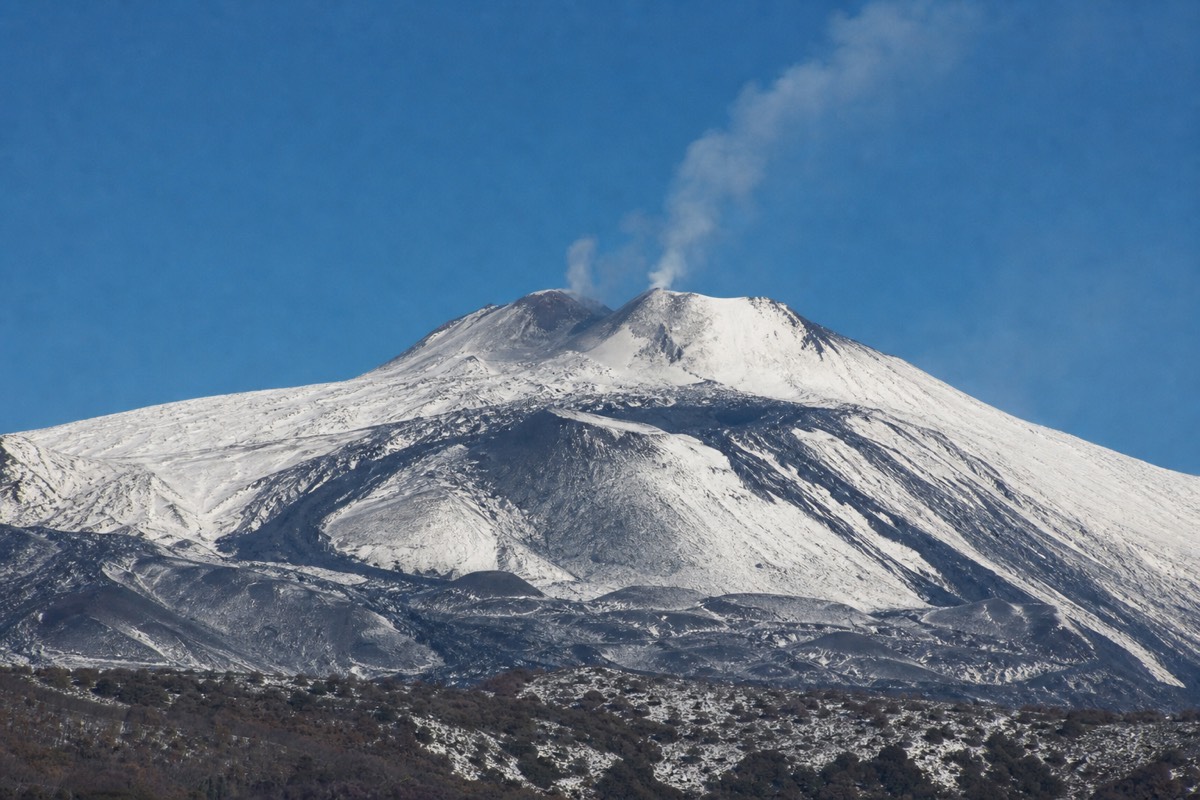
Mount Etna by season, at a glance
A general seasonal guide to a Mediterranean stratovolcano's climate pattern, not measured data. Conditions at altitude change quickly regardless of season; always check the forecast and dress for cold, wind and sun in the same day.
Why does Etna's weather behave so differently from the coast?
Altitude does almost all of the work. Etna's summit area sits roughly 3,000 meters above Catania, and temperature drops with elevation at a fairly predictable rate, which routinely puts the crater zone 15 to 20 degrees colder than the coast, with wind on top of that gap.
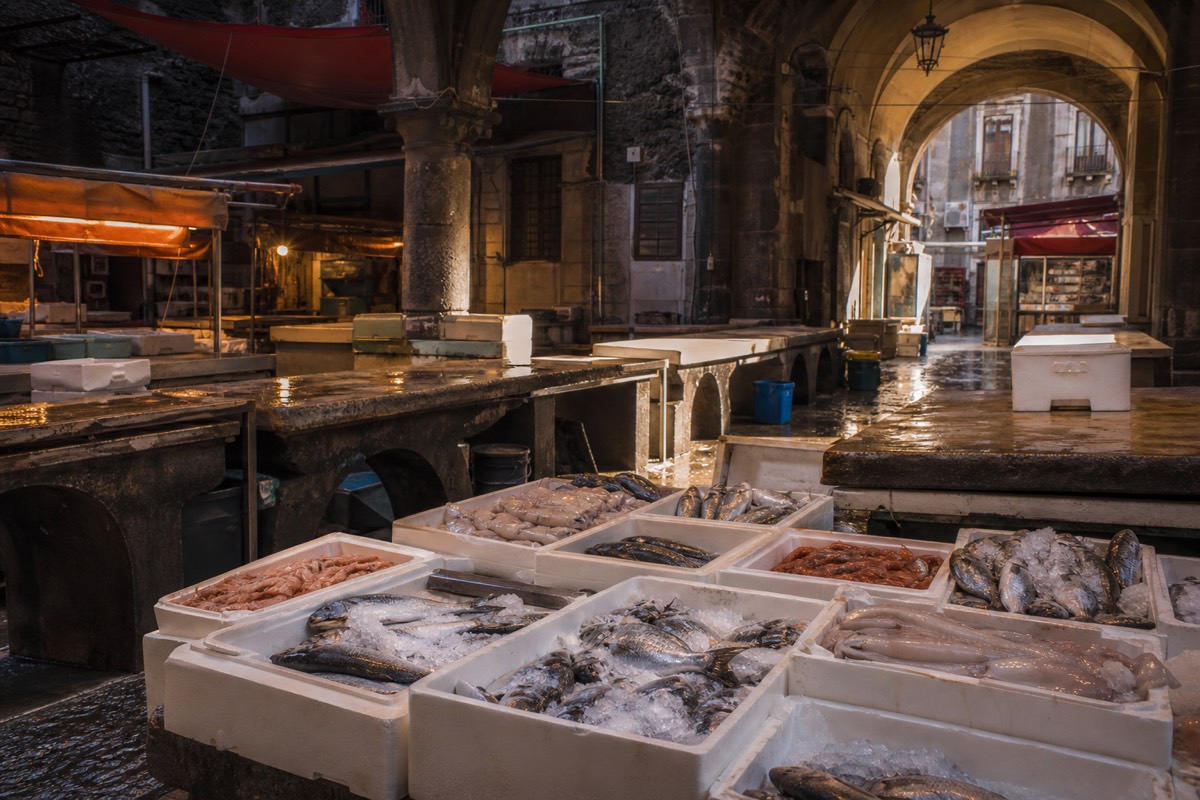
This is the single fact that catches first-time visitors off guard most often. Someone leaves a Catania hotel in a t-shirt on a warm morning and finds themselves shivering at Rifugio Sapienza an hour later, not because the forecast was wrong, but because the forecast they checked was for the wrong elevation. Mountain weather also moves faster than coastal weather: cloud can build over the summit in the space of an hour, even on a day that started clear.
Wind matters as much as temperature on the upper mountain. Exposed, treeless terrain above the tree line means there is little to break a gust, and the combination of cold plus wind is what actually determines how the day feels, more than the number on a thermometer alone.
Etna month by month: what to actually expect
Snow typically covers the upper slopes from December through April, shoulder months (May, June, September, October) offer the most reliable mix of mild temperatures and clear visibility, and July through August bring the warmest, busiest, and occasionally haziest conditions.
| Months | Summit conditions | Visibility | Crowds |
|---|---|---|---|
| December to February | Snow-covered above roughly 2,000m, cold and often windy | Clear on calm days; can close roads or the cable car on stormy ones | Lightest of the year |
| March to April | Snow lingering at altitude while lower slopes green up | Generally good; spring cloud can build by afternoon | Light to moderate, growing toward Easter |
| May to June | Snow mostly cleared above the summit access points, comfortable at altitude with a jacket | Among the year's best | Moderate, rising through June |
| July to August | Warm even at altitude, though the crater zone still needs a windbreaker | Can turn hazy in the afternoon heat | Peak season, longest cable car queues |
| September to October | Comfortable and stable, similar to late spring | Very good, often the year's clearest stretch | Moderate, dropping through October |
| November | First snow possible at the summit, cooling quickly at the coast too | Variable, more rain days | Light |
None of this means winter is a bad time to go. A snow-covered Etna against a black lava field is one of the more striking sights in the Mediterranean, and tours do run through the season, with the cable car's operator publishing current winter service status directly at funiviaetna.com. It does mean packing and expectations should match the month, not just the destination.
How cold does it actually get at the summit compared to the coast?
A gap of 15 to 20 degrees Celsius between Catania at sea level and the crater zone above 2,500m is typical on an ordinary day, and it holds up across most of the year, including summer.
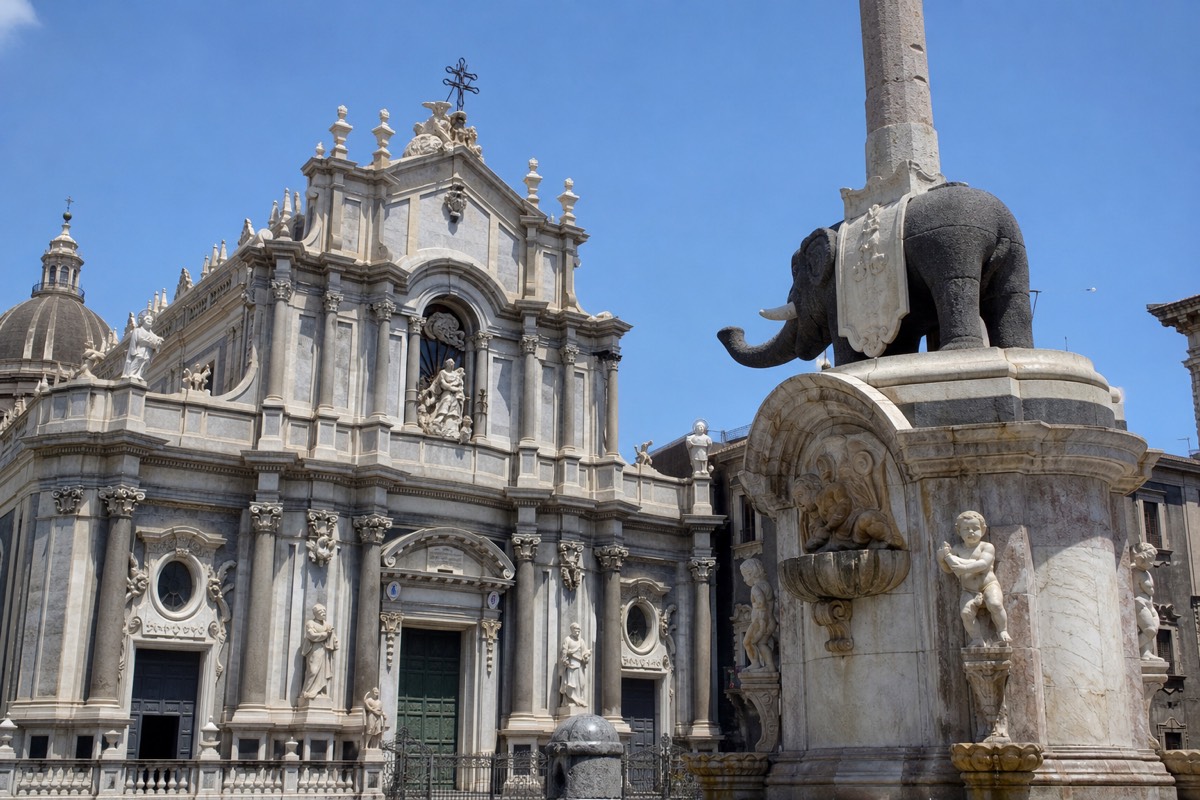
This is why every one of the site's summit-adjacent tours flags warm layers as a genuine necessity rather than a suggestion. On the Etna sunset trek, the temperature drop compounds with the setting sun, since the golden-hour window that makes the trip worth timing is also the coldest stretch of the day at 2,000m on the southern slope. A windbreaker earns its space in the bag on literally every visit to the upper mountain, regardless of season.
Which months give the best visibility for photos and views?
Late spring (May, June) and early autumn (September, October) consistently deliver the clearest combination of stable weather and good visibility, without the summer haze that can settle over the coast and the lower slopes during the hottest weeks.
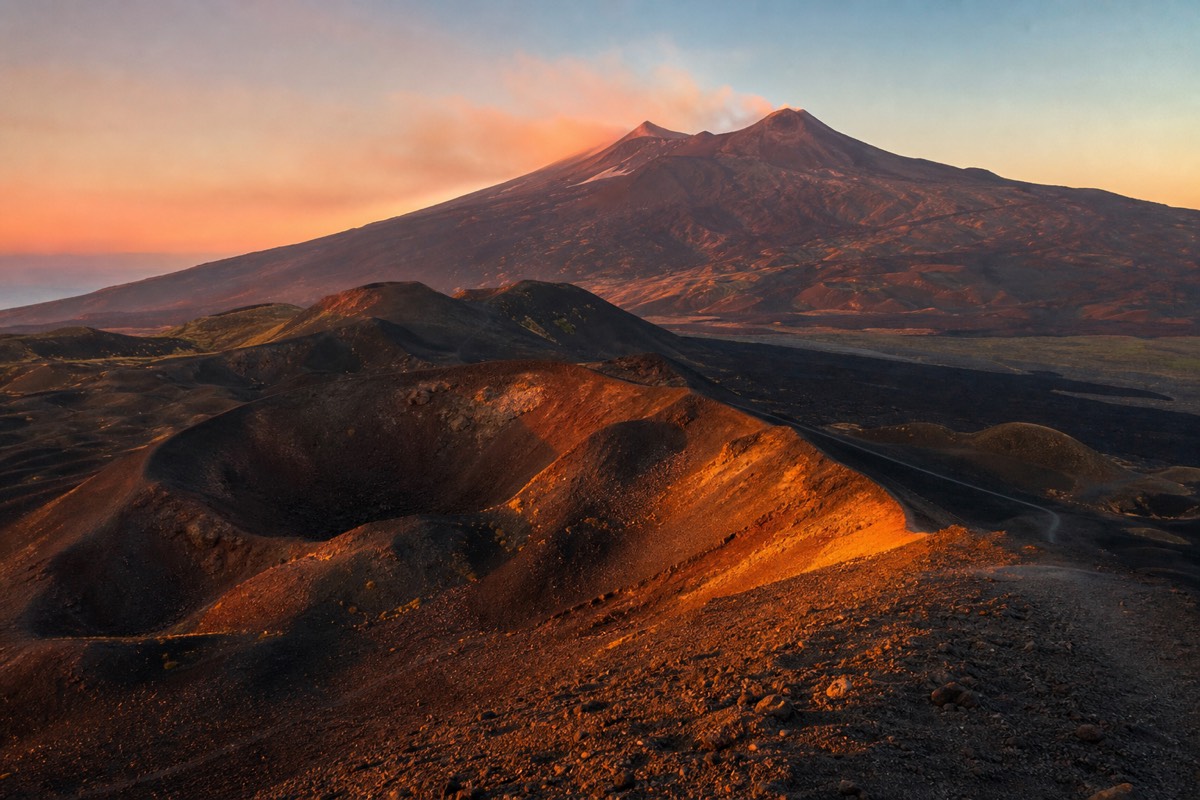
Morning departures matter more than the month for visibility, but the two effects stack. A May or October morning tour has the best odds of clear views of both the crater zone and the Ionian coastline below; a July afternoon slot has the worst, purely from heat haze building through the day. If photography is the priority, book the earliest available slot in a shoulder month rather than the earliest slot in peak summer.
What should you wear at different points of the day?
Layer for two climates in one day: light and breathable at the coast in the morning, then windproof and warm by the time you reach 2,000m or higher, with the ability to shed or add layers as the group moves between elevations.
| Location/time | Typical conditions | What to wear |
|---|---|---|
| Catania or Taormina, morning pickup | Mild to warm, depending on season | Light layer, comfortable walking shoes |
| Rifugio Sapienza (1,900m) | Noticeably cooler and often breezy | Add a fleece or mid-layer |
| La Montagnola to Central Craters (2,500m-2,900m) | Cold, frequently windy, snow possible outside summer | Windbreaker, warm hat, gloves in cooler months |
| Sunset on the southern slope (around 2,000m) | Rapid temperature drop as the sun sets | Full layering system, since you're static rather than moving and generating heat |
Trekking shoes matter as much as jacket layers. Volcanic gravel is sharp and shifts underfoot, and several tours, including the Hidden Trails trekking tour, provide proper trekking shoes on request for exactly this reason.
How does weather affect the Alcantara Gorges portion of a combined day?
The Alcantara river stays cold year-round, generally in the 8 to 10°C range, fed by mountain runoff, which means the swim option there is a cold-water plunge regardless of how warm the surface air feels that day.
This matters specifically for the Etna and Alcantara Gorges full-day tour, which pairs a morning on Etna's northern slope with an afternoon at the gorges. The temperature contrast across the day, cool volcanic morning, warm midday lunch, cold river afternoon, is part of what makes the combination distinctive, but it does mean packing for three different conditions rather than one. For the gorges specifically, water shoes are worth bringing since the riverbed is slippery basalt; see what to know about the Alcantara Gorges for the full access details.
Does the season affect which tour makes the most sense?
Somewhat. Snow season narrows upper-altitude walking routes but does not close the mountain, while shoulder-season months open up the widest range of routes at once, from the summit trek to the quad circuit to gorge swimming.
Snow, wind or volcanic restrictions may change or cancel operations. A replacement vehicle or alternative route is at the operator’s discretion, not a guarantee that an ascent will run.
How much colder does it get at each elevation band?
Temperature drops roughly 6 to 7 degrees Celsius for every 1,000 meters of elevation gained, a standard atmospheric pattern that applies to Etna just as it does to any mountain, meaning the jump from sea level to the crater zone routinely covers most of that day's total temperature swing.
| Elevation | Approximate location | Typical feel relative to the coast |
|---|---|---|
| Sea level | Catania or Taormina | Baseline; mild to warm depending on season |
| Around 1,900m | Rifugio Sapienza | Noticeably cooler, often 8-12 degrees below the coast |
| Around 2,500m | La Montagnola | Cold, frequently windy, 12-16 degrees below the coast |
| 2,900m and above | Central Craters walking area | Coldest zone visitors reach, 15-20 degrees below the coast, more with wind chill |
These are typical ranges, not guarantees for any specific day, since weather systems can compress or widen the gap. The consistent lesson across every season is that whatever the coast feels like, the upper mountain will feel meaningfully colder, and packing for that gap matters more than packing for the calendar month alone.
How does wind change across the year?
Wind at altitude tends to be strongest in late autumn and winter, when Mediterranean storm systems pass through, and calmest during stable high-pressure stretches in late spring and early autumn, which is part of why those shoulder months feel more comfortable at altitude than the raw temperature alone would suggest.
| Season | Typical wind pattern at altitude |
|---|---|
| Winter (Dec-Feb) | Snow, wind or volcanic restrictions may change or cancel operations. A replacement vehicle or alternative route is at the operator’s discretion, not a guarantee that an ascent will run. |
| Spring (Mar-May) | Variable, generally moderate, calmer on stable high-pressure days |
| Summer (Jun-Aug) | Generally the calmest stretch, though afternoon thermal winds can pick up |
| Autumn (Sep-Nov) | Increasing toward November as storm systems become more frequent |
How does weather affect each type of tour differently?
Snow, wind or volcanic restrictions may change or cancel operations. A replacement vehicle or alternative route is at the operator’s discretion, not a guarantee that an ascent will run.
| Tour type | Most weather-sensitive factor |
|---|---|
| Cable car + 4x4 | Snow, wind or volcanic restrictions may change or cancel operations. A replacement vehicle or alternative route is at the operator’s discretion, not a guarantee that an ascent will run. |
| Hidden Trails trek | Fog, which can obscure the Valle del Bove viewpoints, and cold at the 2,400m high point |
| Sunset trek | Cloud cover, which can mute or block the sunset itself |
| Etna and Alcantara Gorges | Rainfall upstream, which can raise river flow and affect swim conditions at the gorges |
Weather or volcanic restrictions can lead to a route change or cancellation. Confirm the current plan and the cancellation terms for your booked option.
What does the Alcantara swim feel like across the seasons?
The river runs cold year-round, generally in the 8 to 10°C range, so the real seasonal variable for swimming comfort is the air temperature and sun exposure on the day, not the water itself, which barely changes from month to month.
Summer visitors get the most comfortable in-and-out experience, since the contrast between hot air and cold water is part of the appeal and the walk back to dry off happens in warm sunshine. Spring visits often mean higher water levels from snowmelt further up the mountain, which can make the current stronger, something guides account for when deciding whether the swim option is advisable that day. Full detail on the gorges themselves, including access points and the elevator entrance, is covered separately in Alcantara Gorges: what to know.
Does weather differ between basing yourself in Catania or Taormina?
Not meaningfully. Both towns sit near sea level on Sicily's eastern coast within a similar climate zone, so the practical weather difference between them is small; what matters far more is which side of Etna a given tour departs from and climbs.
Taormina, being slightly further from the volcano and perched on its own hillside, occasionally catches a touch more coastal breeze, while Catania sits closer to the mountain's direct shadow and traffic. Neither difference is large enough to be a deciding factor in trip planning; the more useful question is covered in Catania or Taormina: where to stay, which weighs logistics and atmosphere rather than weather.
How does the season affect Etna DOC wine country conditions?
The lower-elevation vineyards on Etna's slopes see a much milder version of the mountain's weather than the summit, with harvest season in early autumn generally bringing some of the most pleasant conditions of the year for a winery visit paired with an Etna tour.
| Season | Conditions in Etna DOC vineyard country |
|---|---|
| Spring | Green, mild, vines budding; comfortable for a vineyard walk |
| Summer | Warm and sunny, similar to the coast but slightly cooler at higher vineyard elevations |
| Early autumn | Harvest season, mild temperatures, often the most scenic stretch for a wine-focused stop |
| Winter | Cool and quiet, vines dormant, still visitable but less visually dramatic |
For visitors combining a summit approach with a wine stop lower down, the elevation gap means dressing for two very different microclimates in the same day, similar to the coast-to-crater contrast described above. More on the wine side specifically is in Mount Etna wine region: Etna DOC.
Three sample days, matched to what the weather actually gives you
Rather than picking a tour by date alone, matching the day's likely conditions to the right route tends to produce a better outcome, whether that's a clear-sky summit push, a cozy snow day near Rifugio Sapienza, or a warm-weather gorge swim to close out an Etna morning.
Clear, calm shoulder-season morning (May, June, September, October): conditions favor the routes that reward visibility, either the guided summit trek for the widest panoramic views or the Hidden Trails trek for a full day with clear sightlines across the Valle del Bove.
Snow, wind or volcanic restrictions may change or cancel operations. A replacement vehicle or alternative route is at the operator’s discretion, not a guarantee that an ascent will run.
Hot midsummer afternoon: this is when the temperature contrast built into the Etna and Alcantara Gorges tour pays off most, pairing a cooler volcanic morning with a genuinely refreshing cold-water swim in the afternoon.
When does Sicily see the most rain, and does it affect Etna tours?
Sicily's rainiest stretch generally falls between October and February, mirroring the broader Mediterranean pattern, though rain at the coast doesn't always mean rain on the mountain, and vice versa, since Etna's own elevation creates its own localized weather independent of the coastal forecast.
| Period | Rainfall pattern | Effect on tours |
|---|---|---|
| June to August | Driest stretch of the year | Rain rarely disrupts tours; heat and haze are the bigger factors |
| September to November | Rain becomes more frequent, sometimes in short, heavy bursts | Occasional tour delays or rerouting; the Alcantara river can run higher and stronger |
| December to February | Wettest months on average, often falling as snow at altitude | Snow, wind or volcanic restrictions may change or cancel operations. A replacement vehicle or alternative route is at the operator’s discretion, not a guarantee that an ascent will run. |
| March to May | Decreasing rain through spring | Occasional showers, generally short-lived and manageable with a rain layer |
Checking a short-range forecast the day before departure is more useful than planning around a seasonal average, since Etna's own microclimate can diverge from the coastal forecast by a wide margin. Guides make that judgment call daily rather than relying on a general seasonal expectation, which is the same operational habit covered in more depth in the volcanic activity guide for weather-independent conditions.
How does timing your visit around weather affect the price you pay?
Weather does not usually change a tour's listed price directly, but the shoulder-season combination of good conditions and lower demand often means more availability at preferred time slots, without the last-minute scramble that peak summer weekends can bring.
Booking a shoulder-season morning slot several weeks out is generally simple; the same slot in late July can sell out days in advance, particularly for the smaller-capacity tours like the sunset adventure, which caps at eight participants. None of that changes the sticker price, but it does affect how much flexibility you have in choosing your preferred departure time, which is its own kind of value. For the actual cost breakdown across all six tours, independent of season, see how much a Mount Etna tour costs.
Weekday departures carry a similar advantage over weekends across most of the year, since weekend crowds at Rifugio Sapienza and the ticket counters build regardless of season. A Tuesday or Wednesday morning in June often delivers a quieter experience than a Saturday in the shoulder season, even though both fall in a generally favorable weather window.
Local school holidays are worth factoring in too, since Italian families often plan mountain trips around them, adding to weekend congestion at exactly the moments international visitors might assume things are calm. If your travel dates are flexible at all, shifting a booking a day or two away from a weekend generally does more for the actual experience than chasing a specific week for its average conditions.
The same logic applies to time of day within a single week: an early weekday slot in a busy month can feel emptier than a late-morning weekend slot in a supposedly quiet one. Flexibility on timing, not just on the calendar month, is often the more powerful lever for a calmer visit.