Is It Safe to Visit Sicily With Mount Etna Active?
Short answer: yes. Etna is Europe's most active volcano, which sounds alarming until you know what "active" means for a mountain that has been smoking, rumbling, and occasionally putting on a lava show for thousands of years without shutting down the region around it.
A city view or the lower craters may be enough. If you want to go further, compare the actual route, starting point and included transport before choosing a paid outing.
At a glance: Volcanic activity alone does not decide a Sicily trip. Current access rules, weather, ash and operator instructions matter; an excursion may change or cancel.
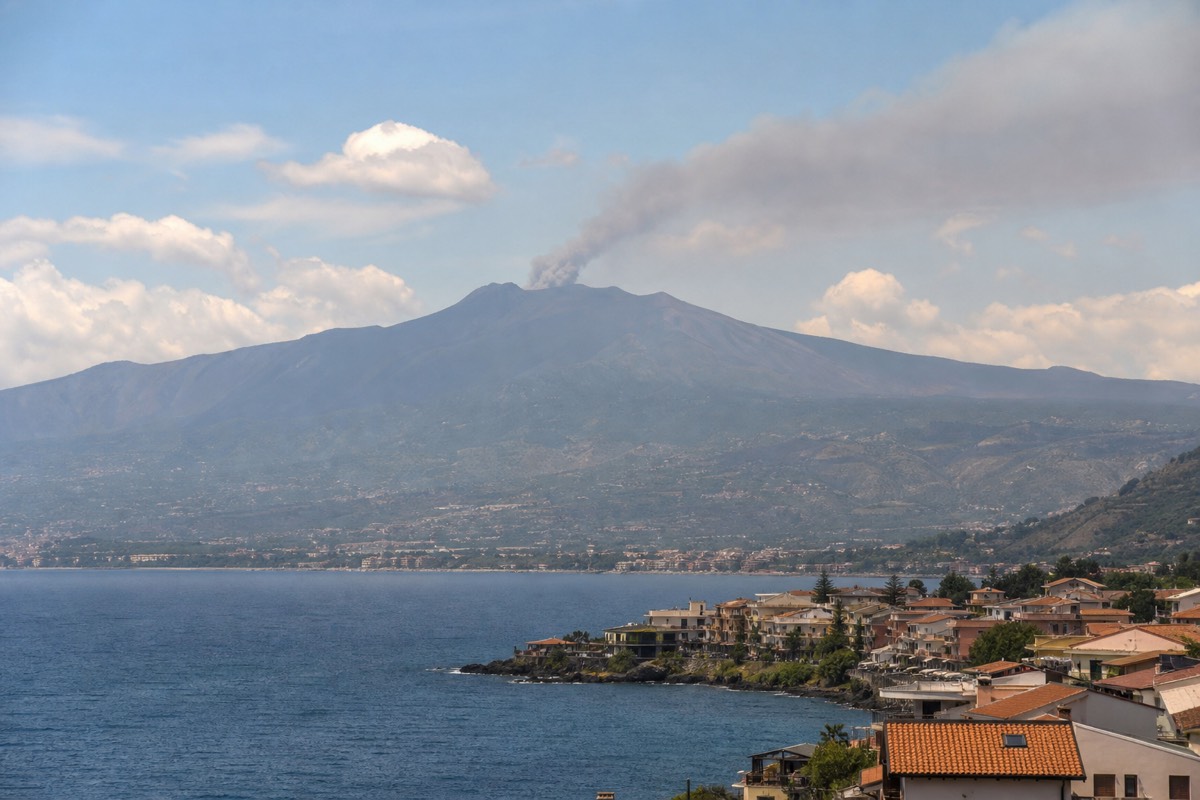
Is it safe to visit Sicily right now with Etna active?
Etna activity does not automatically rule out a Sicily visit, but this article cannot establish current safety. Ash, changing access restrictions and transport disruption can affect a trip. Check current official instructions, your airline and the operator; tours may be rerouted or cancelled.
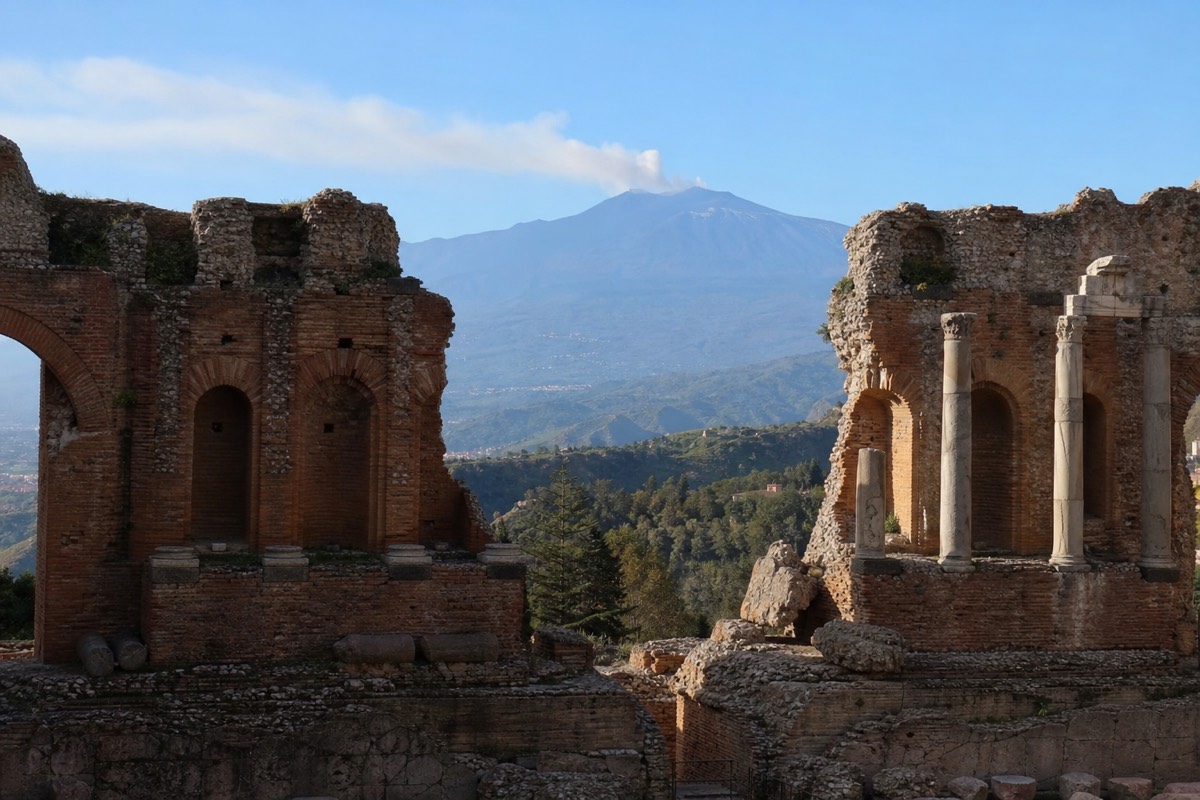
Etna is described as Europe's tallest and most active volcano for a reason: it is rarely fully dormant. Minor activity, small ash emissions, degassing, occasional lava fountaining confined to the summit craters, is closer to the mountain's baseline personality than an exception. What changes visitor plans is not "is Etna active," which is almost always yes in some small way, but "how active, and where."
This is the direct reassurance answer. For the deeper explanation of what Sicily's volcano observatory actually tracks, how activity levels are categorized, and Etna's eruption history, that lives in a dedicated guide rather than here: is Mount Etna erupting, a volcanic activity guide.
What does "active" actually mean day to day?
Most days, active means visible steam or a light haze from the summit craters, nothing that affects Catania, Taormina, or the lower slopes where tours operate. Confined summit activity is genuinely common and is exactly what draws visitors to the mountain in the first place, not a reason to stay away.
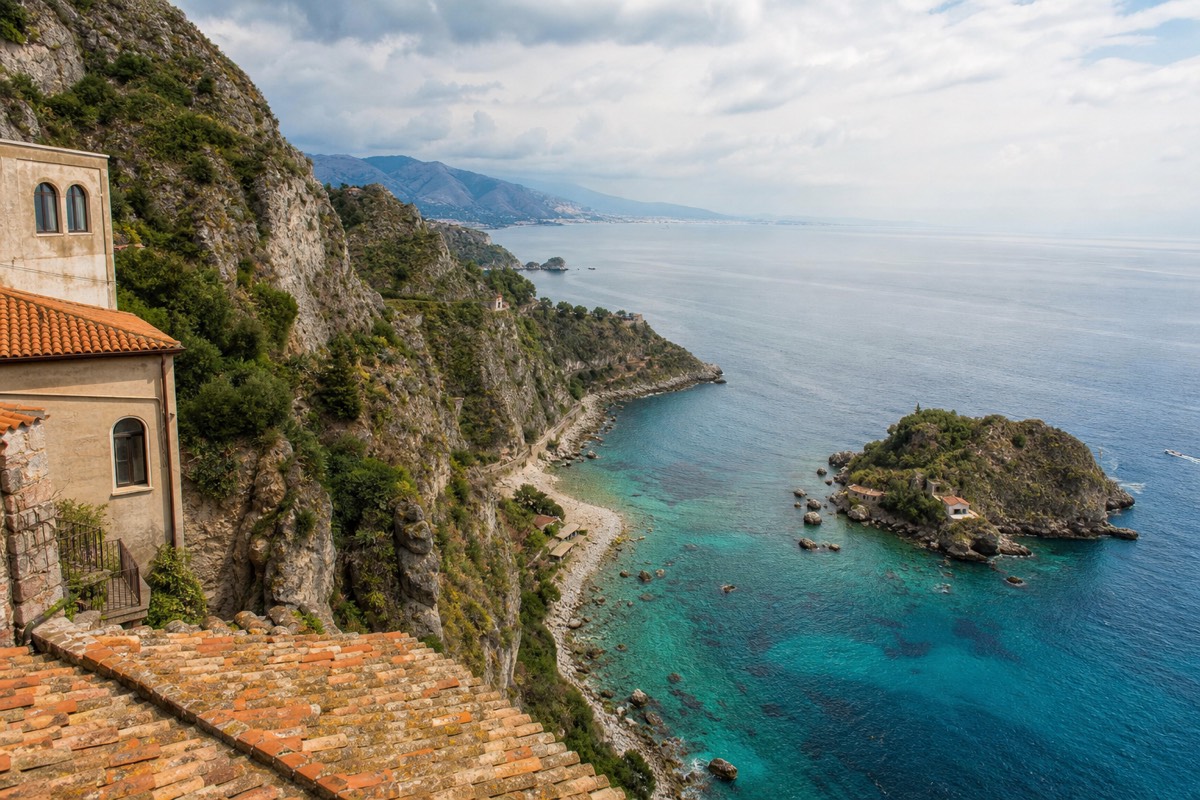
Sicily's dedicated volcano observatory, INGV Osservatorio Etneo, monitors Etna continuously, which is part of why tourism around an active volcano works here in a way it might not somewhere without that infrastructure. Activity that would sound dramatic in a headline, "Etna erupts," is often confined to the summit craters and visible mainly as a plume, the kind of sight tour guides point out rather than evacuate from.
UNESCO inscribed Etna as a World Heritage Site in 2013 specifically citing its ongoing geological activity as part of what makes it exceptional, not despite it. That is worth sitting with: the activity is the attraction, within limits that guides and operators manage as a matter of routine.
Do tours still run during periods of higher activity?
Often yes, with adjusted routes. Operators are the first to know when access needs to change, and a guided tour is generally the safer way to be on the mountain during any period of elevated activity, since routes get modified or capped before an independent visitor would have any way of knowing conditions had shifted.
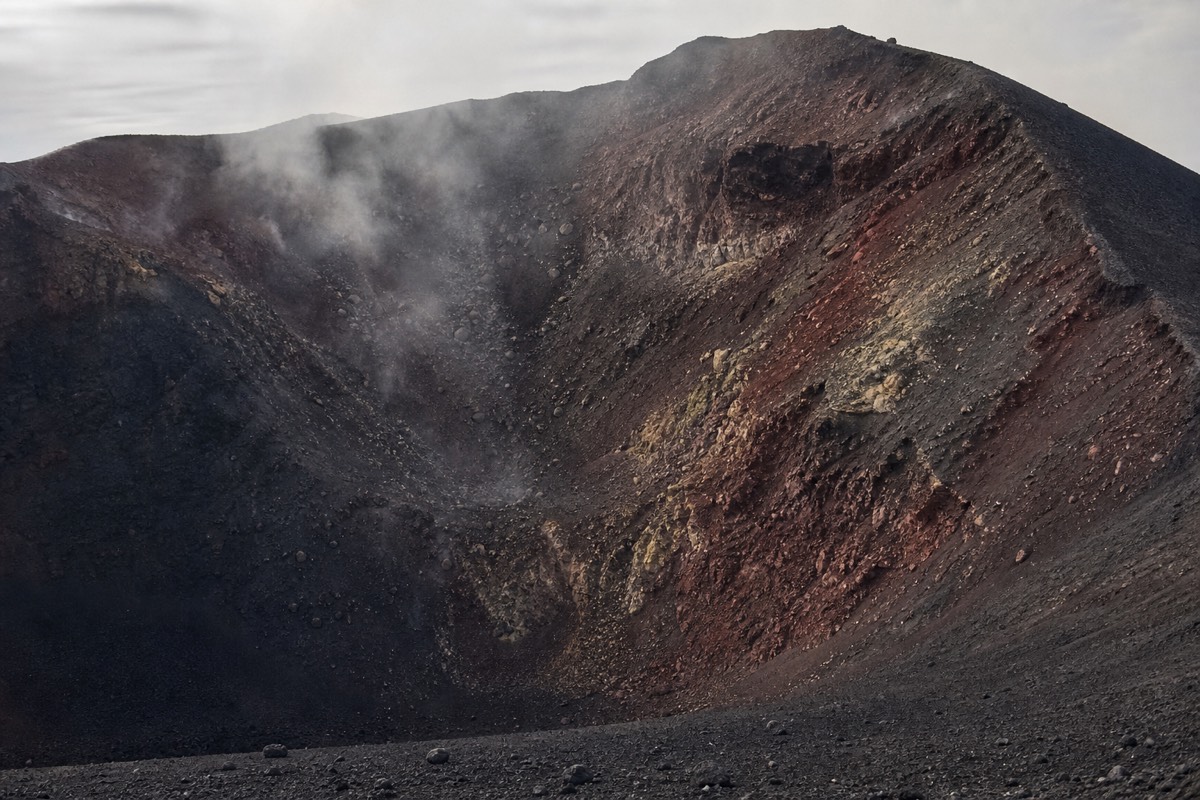
The Guided Summit Trek and Hidden Trails Trekking Tour both build itinerary flexibility into how they operate, precisely because summit-area access is the part of the mountain most sensitive to activity changes. A guide who works the mountain regularly will know within the same day if a route needs to shift, well before that information would reach an independent hiker.
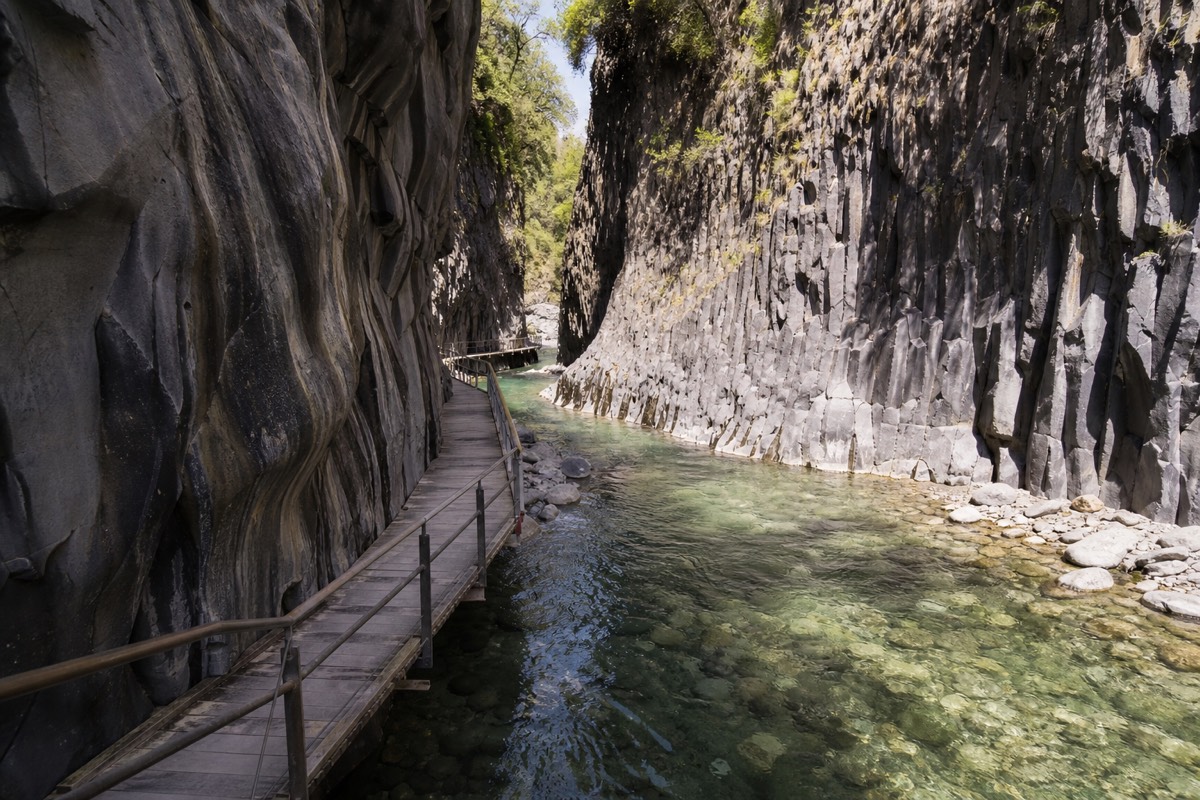
What actually gets cancelled, on the rare occasions it happens, tends to be the highest routes closest to the active craters, not the mountain experience as a whole. Full-day tours like Etna and Alcantara Gorges, which spend much of their time on the lower slopes and at the gorges rather than the summit, are the least likely to be affected at all.
Does an active Etna change anything for families or first-time visitors?
For families and first-time visitors, check each route’s age, walking and health restrictions. Lower slopes can still be affected by ash, weather or local closures; use current official instructions and operator advice when choosing the day.
For families and first-time visitors, check each route’s age, walking and health restrictions. Lower slopes can still be affected by ash, weather or local closures; use current official instructions and operator advice when choosing the day.
Solo travelers ask a related but different question: not "is the volcano dangerous" but "is it strange to be on a mountain like this alone." It is not. Guided groups on every route mix solo travelers with couples and families as a matter of course, and a certified guide manages the group's safety collectively regardless of how anyone arrived at the meeting point.
What should you personally watch for before your trip?
Etna activity does not automatically rule out a Sicily visit, but this article cannot establish current safety. Ash, changing access restrictions and transport disruption can affect a trip. Check current official instructions, your airline and the operator; tours may be rerouted or cancelled.
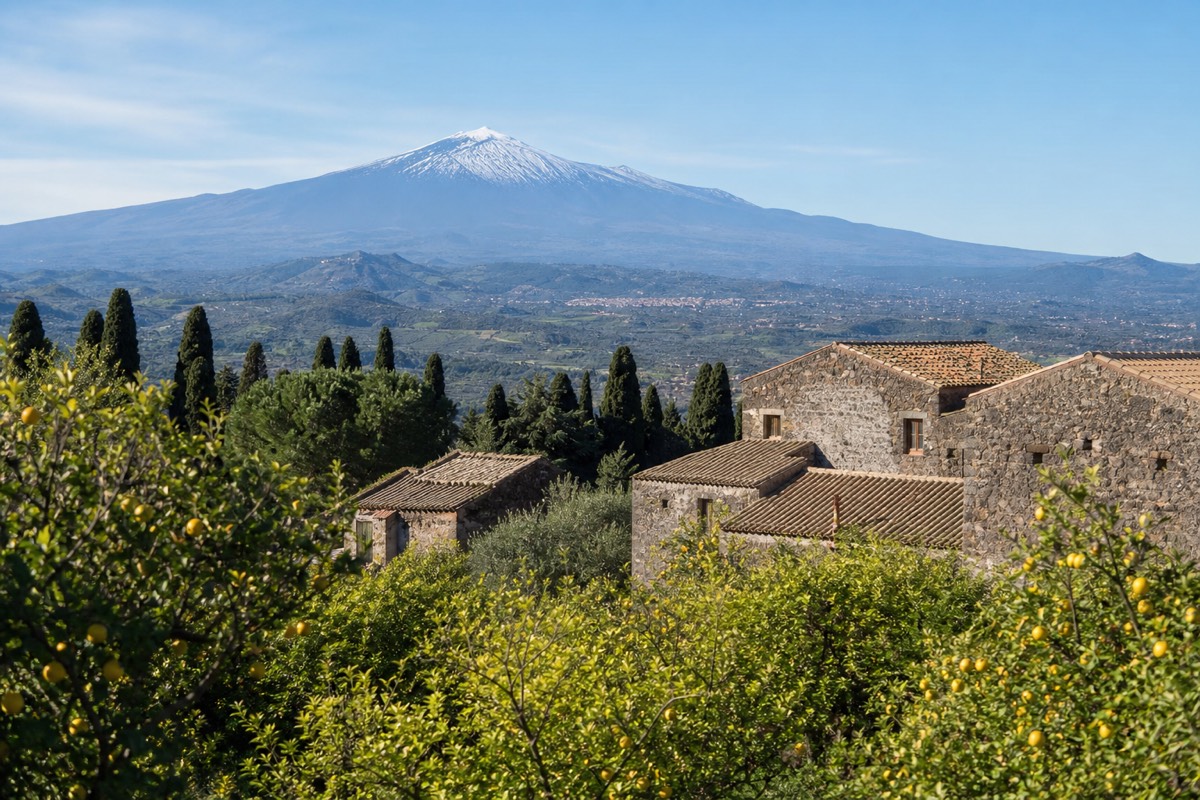
The gap between how "Mount Etna eruption" reads in an international headline and what it actually means on the ground is often wide. Most of what makes international news is visually dramatic (lava fountains, ash plumes) while remaining confined to the summit, far above where any tour or independent visitor spends their time. Checking INGV Osservatorio Etneo directly, rather than a headline, is the fastest way to get an accurate read before you travel.
Our honest bottom line: Sicily is safe to visit, Etna tourism is safe to book, and the region's long relationship with an active volcano is exactly why the infrastructure (monitoring, guides, adaptive routing) exists to make that true. If you want the fuller picture of what a bigger eruption would actually look like on the ground, rather than the worst-case image most people carry in their heads, see what would happen if Mount Etna erupted.