What Would Happen If Mount Etna Erupted?
People searching this question usually picture Pompeii. Etna's reality is stranger and, for the towns on its slopes, a lot less dramatic than that image suggests.
A city view or the lower craters may be enough. If you want to go further, compare the actual route, starting point and included transport before choosing a paid outing.
At a glance: An eruption can affect access, towns or flights depending on its location and ash. No tour guarantees lava sightings or a particular altitude.
Is Mount Etna erupting right now, or could it erupt while I'm there?
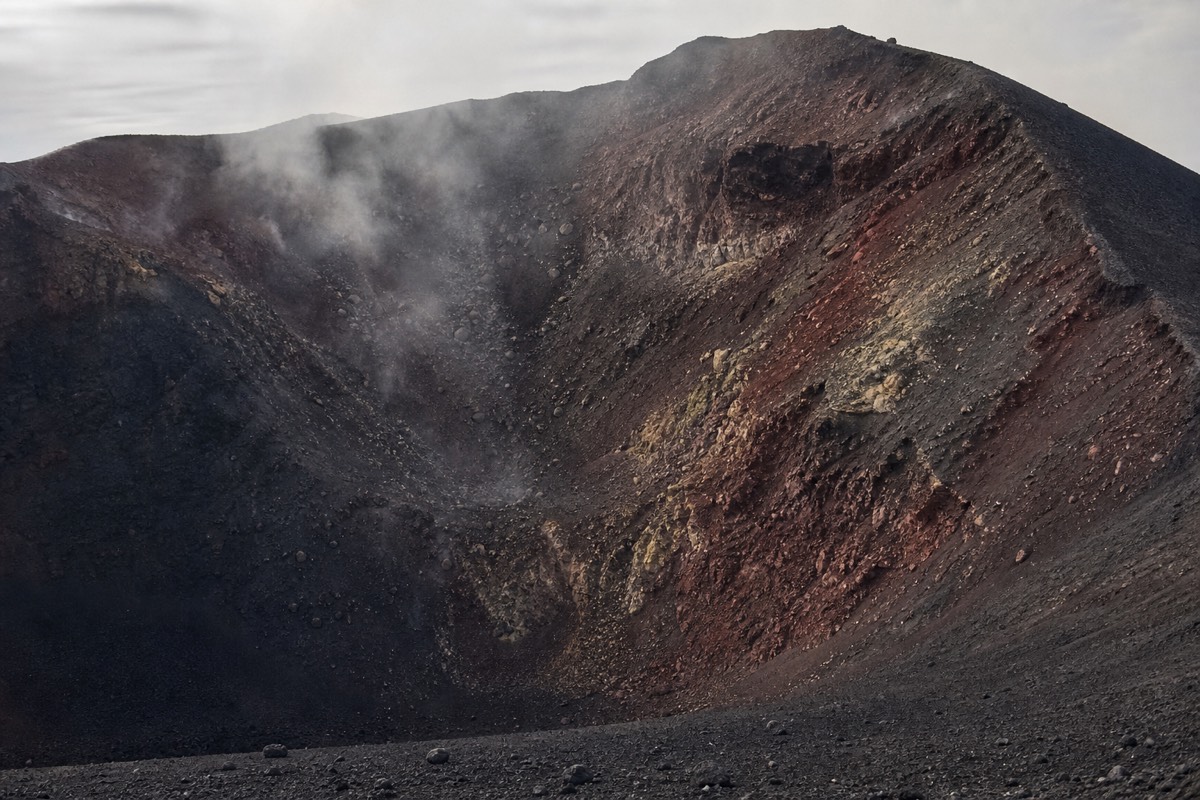
Etna is one of the most continuously active volcanoes on Earth, so some level of activity is close to a permanent background condition, not a rare emergency. Small explosions, lava fountains and ash puffs at the summit happen regularly, sometimes several times a year, and most visits pass through them without any disruption at all.
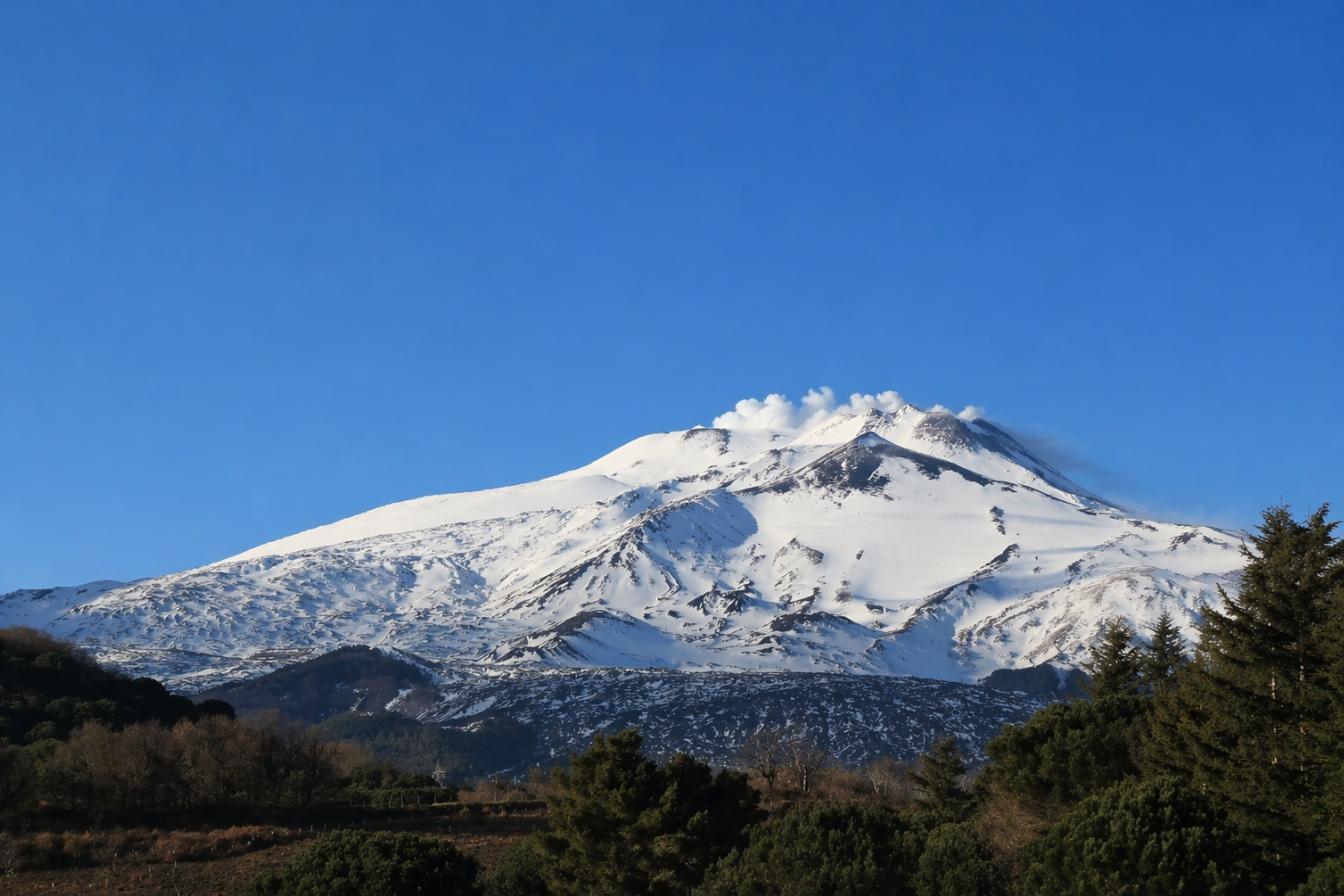
That framing matters because most people asking this question aren't planning a research trip to a dormant peak; they're picturing a single catastrophic event. Etna doesn't really work that way. It has been erupting on and off since antiquity, and the summit craters vent, spit and occasionally put on a lava-fountain show with a rhythm closer to weather than to a one-off disaster. If you want to know whether it's active on the week you're traveling rather than in general, that's a different, narrower question, and our volcanic activity guide covers how to check current status before you book anything.
What does an Etna eruption actually look like?
The overwhelming majority of Etna's activity is Strombolian, meaning short, rhythmic bursts of gas and lava from the summit craters, sometimes building into lava fountains that can look spectacular from a distance but stay confined to the upper cone. That is a fundamentally different animal from an explosive stratovolcano eruption that buries a city in ash and pyroclastic flow.
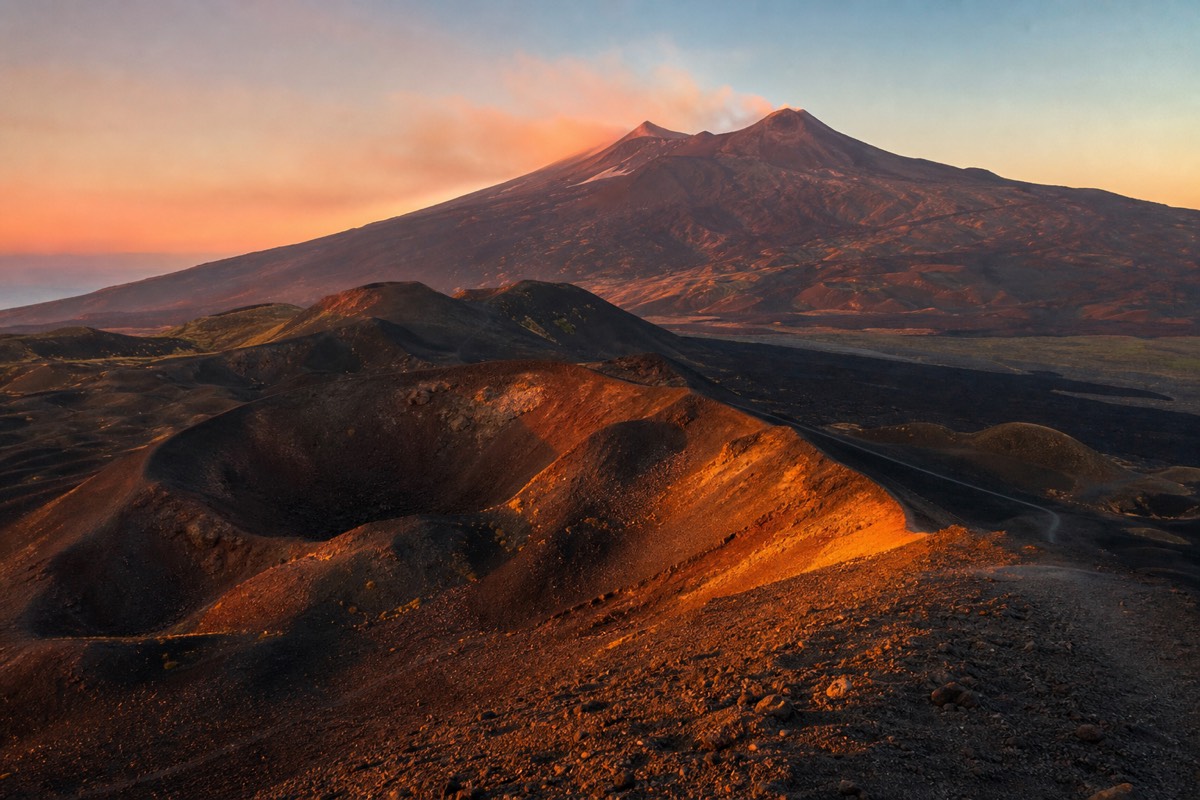
Volcanologists separate eruption styles for a reason. A Strombolian eruption, named after the neighboring island of Stromboli where this pattern is textbook, sends up glowing lava clots, ash puffs and sometimes fountains of molten rock hundreds of meters high, but the material mostly falls back around the crater or drifts as a plume. Etna's summit sits far above any town, in a bare, terraced volcanic zone that exists precisely because eruptions happen there repeatedly. Contrast that with the violent, gas-charged blasts of a volcano like Vesuvius in 79 AD, which is the mental image most people carry into this question and which is not how Etna typically behaves.
Lava flows are the other real risk, and they are slower and more predictable than an explosion. When Etna's flank vents open, lava can travel down the slopes over hours or days, and its documented history includes flows that have reached and damaged roads, ski infrastructure and outlying structures on the lower mountain. That is genuinely part of the record, not scaremongering, but it is also gradual: flowing lava moves at a pace that gives people, and authorities, time to react, unlike an earthquake or a flash flood.
Do the towns around Etna, like Catania or Nicolosi, actually shut down or evacuate?
No, not for routine activity. Catania, Nicolosi and the other towns ringing the volcano's base continue normally through the vast majority of eruptive episodes; life, tourism and flights largely carry on, and it's specifically the mountain's upper access roads and trails that get restricted, not the cities.
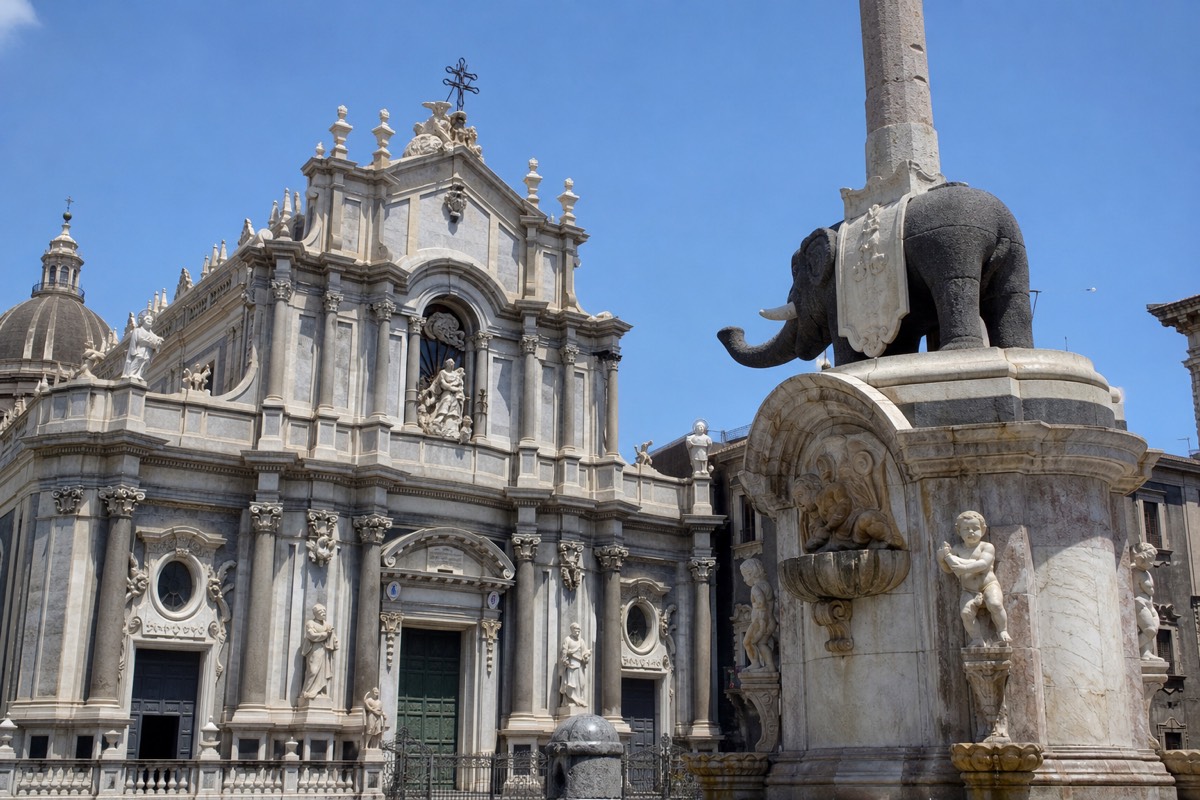
The populated slopes sit at a real distance and elevation below the active crater zone, and centuries of eruptions have shaped where towns exist on Etna in the first place; the areas most exposed to lava flows tend to be sparser, higher terrain rather than the dense coastal cities. When ash fall does reach Catania, which happens occasionally with stronger paroxysmal episodes, the usual response is a temporary airport closure for runway cleaning, not a broader evacuation. That's disruptive for a travel day, but it is a logistics problem, not a survival one.
How do tour operators and guides respond when Etna gets more active?
The impact depends on the eruption and local restrictions. Ash can disrupt towns and flights, and flank eruptions have affected settlements historically. Tour routes may be reduced or cancelled; neither lower altitude nor a booking guarantees access. Follow official instructions for the day.
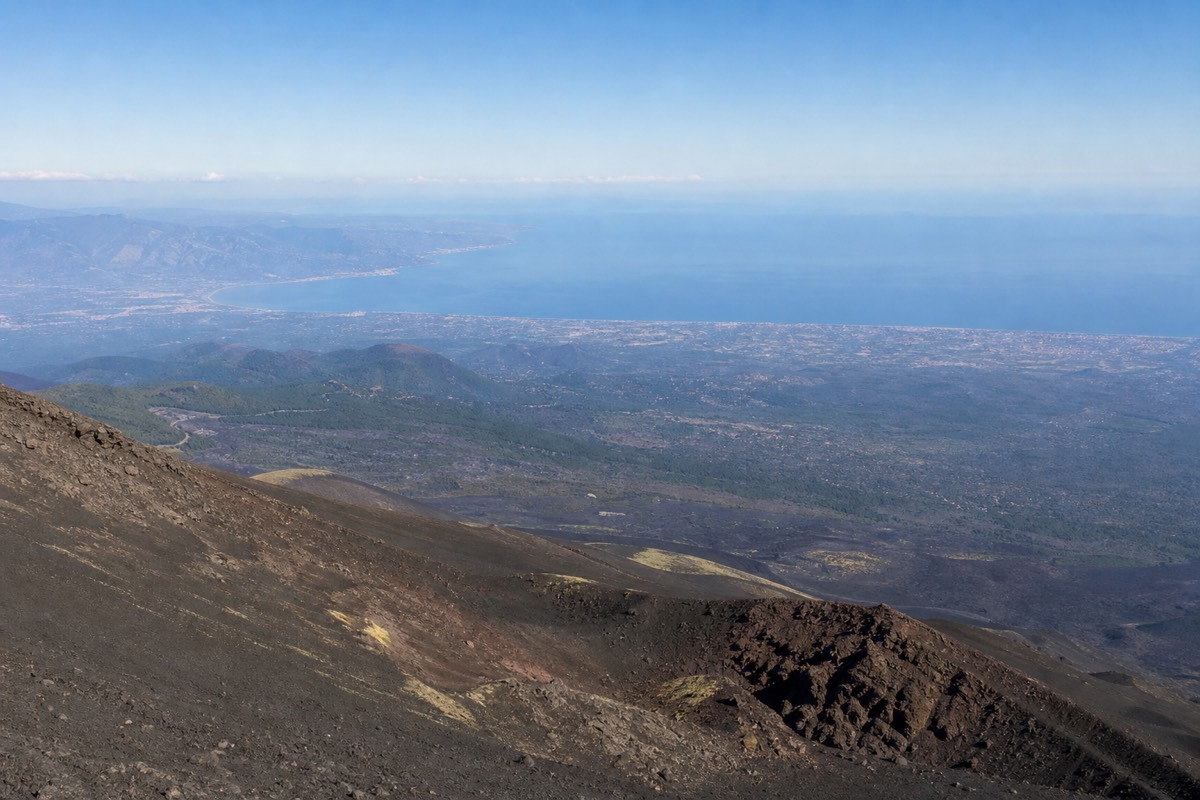
Snow, wind or volcanic restrictions may change or cancel operations. A replacement vehicle or alternative route is at the operator’s discretion, not a guarantee that an ascent will run.
It's also worth remembering that plenty of the region's best Etna experiences don't touch the active summit zone at all. The Etna and Alcantara Gorges full-day tour spends its time on the northern slope's pine forest, an older lava front, a lower-altitude trek to the Sartorius Craters, and the Alcantara Gorges themselves, none of which depend on what the summit is doing that week.
Where can I check what Etna is actually doing before or during my trip?
INGV's Osservatorio Etneo is the real authority here, tracking Etna's seismicity, gas emissions and crater activity around the clock and publishing regular updates. It's the same data source Sicilian tour operators and civil protection use to make access decisions, so it's a far better read than social media clips of a distant lava glow.
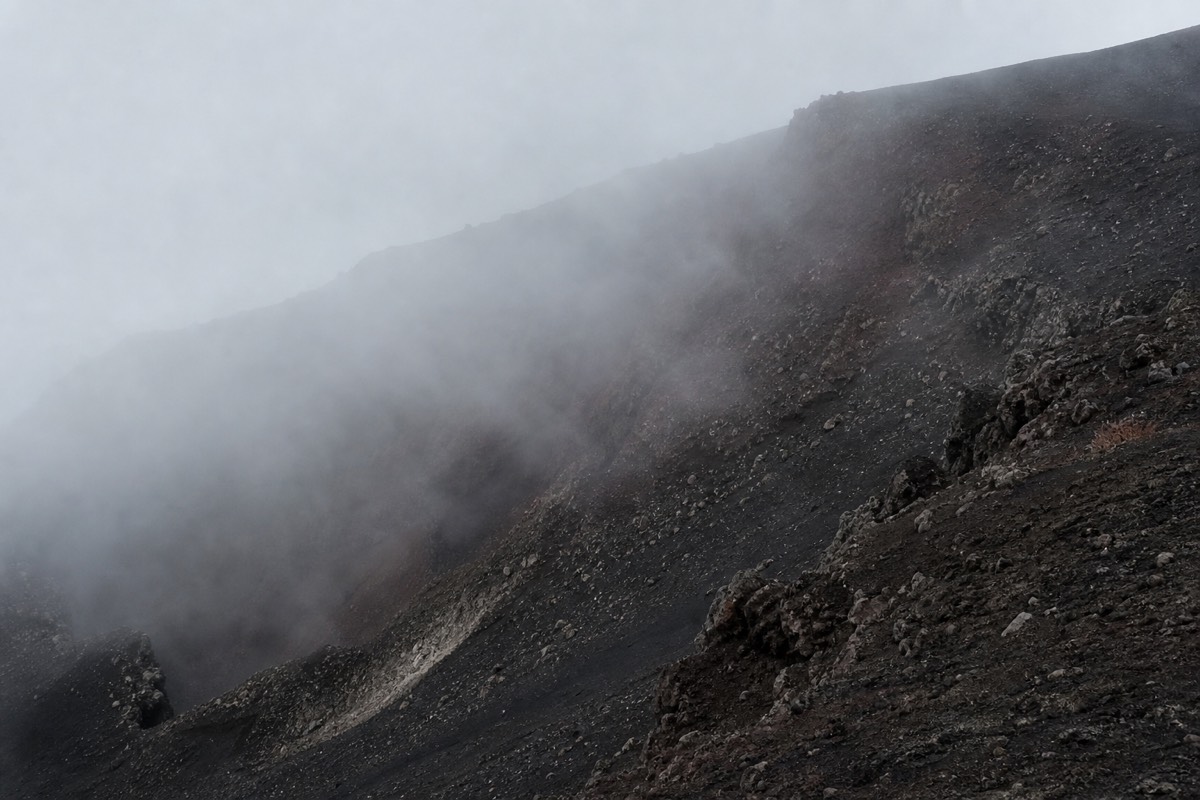
The Osservatorio Etneo, part of Italy's national geophysics and volcanology institute, publishes bulletins and monitoring data at ct.ingv.it. It won't tell you whether your specific tour is running, since operators make that call closer to the date, but it gives an honest, technical picture of what the volcano is doing rather than a dramatized one. For a full walkthrough of how to interpret that data and what different activity levels mean for a visit, see our guide to checking Etna's current volcanic activity. And if the safety question is really what's on your mind, our piece on whether it's safe to visit Sicily with Etna active tackles that head-on.
So should an active Etna change your travel plans?
For nearly everyone, no. Etna being "active" describes its normal state, not a warning sign, and the region's tourism infrastructure, guides and monitoring systems are built around exactly that reality; the sensible move is to book with an operator who can flex the route on the day rather than avoiding the mountain altogether.
Curious travelers sometimes come away disappointed to learn there's no guaranteed lava show on any given day, and cautious travelers sometimes come away relieved that an "eruption" rarely means what the word implies elsewhere. Both reactions miss the more useful point: Etna is a working volcano that Sicilians have lived alongside for millennia, and a well-run tour is the safest, best-informed way to see it up close. Check the full tour comparison guide if you're still deciding which route fits your trip.