What's the Closest City to Mount Etna?
It depends whether you mean city or town, and the two answers point in different directions once you look at a map.
A city view or the lower craters may be enough. If you want to go further, compare the actual route, starting point and included transport before choosing a paid outing.
At a glance: Catania is the main city base; Nicolosi town and the Etna South trailhead are different places. Verify the pickup address, not just the nearest city.
What's the closest major city to Mount Etna?
Catania is the closest major city, sitting right at Etna's base on the Ionian coast, close enough that the volcano dominates the skyline from many points in the city and its airport sometimes closes for ash cleaning during stronger eruptions. It's also the main transport gateway most visitors fly into.
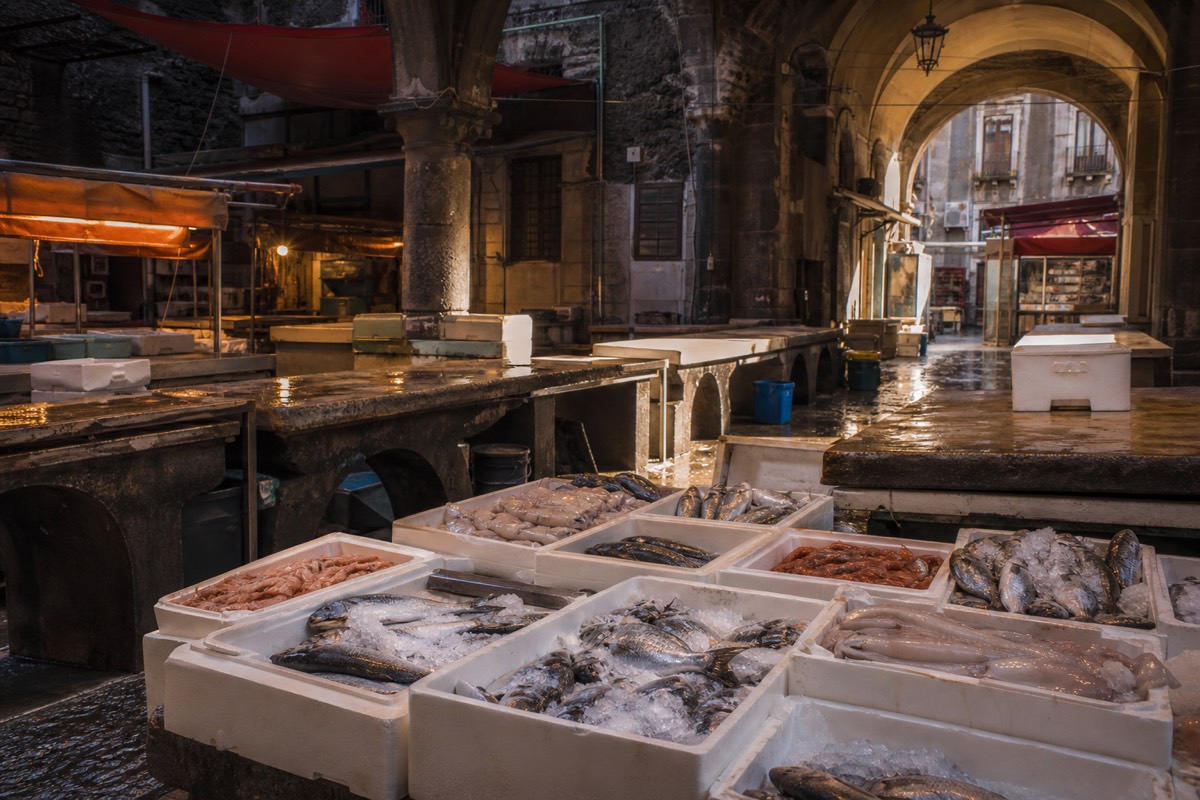
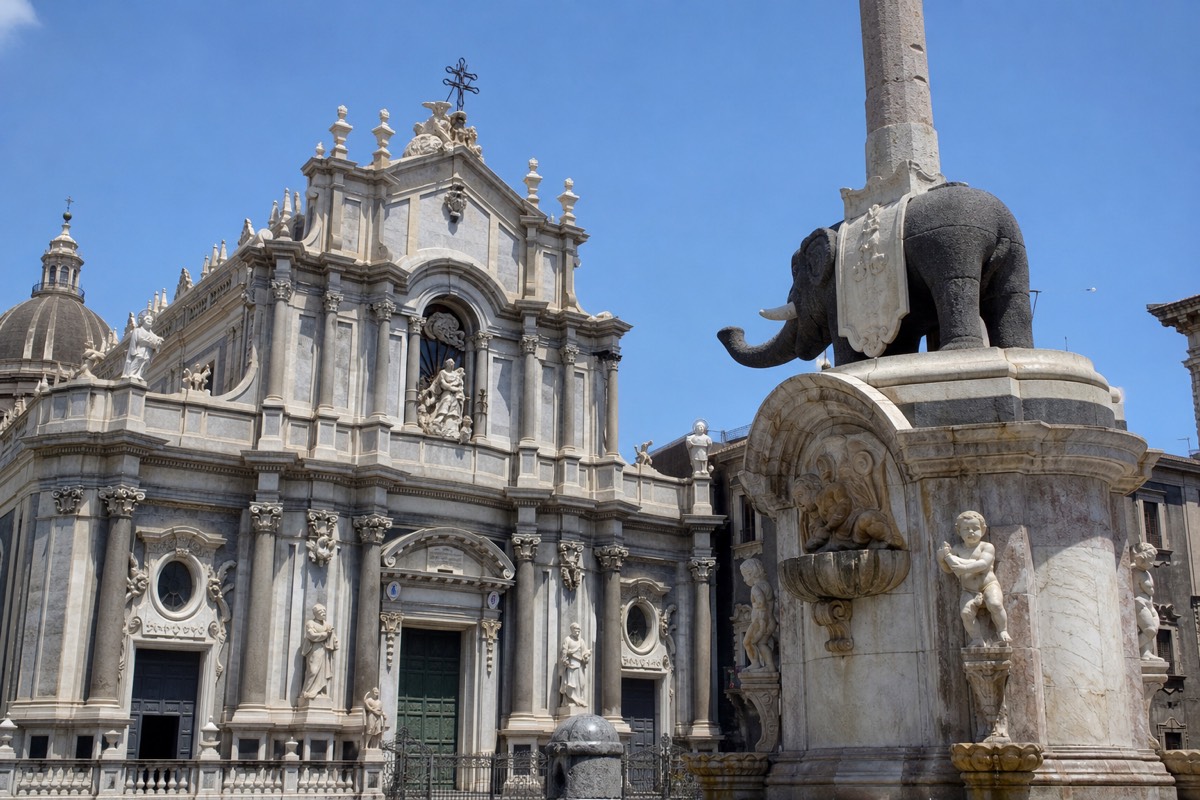
Catania grew where it did precisely because of Etna: the volcano's fertile slopes and coastal position made the site attractive for centuries, and the black lava stone used throughout the city's historic center is quarried straight from the mountain's own flows. If you're comparing base cities for a whole Sicily trip rather than just proximity to Etna, our Catania or Taormina: where to stay guide covers the bigger picture.
What's the closest actual town to Mount Etna?
Nicolosi is the closest town, sitting directly on Etna's southern slope well above Catania, and it functions as the real base camp for excursions higher up the mountain, including the departure point for the quad tour off-road adventure. It's smaller and quieter than Catania, built specifically around access to the volcano.
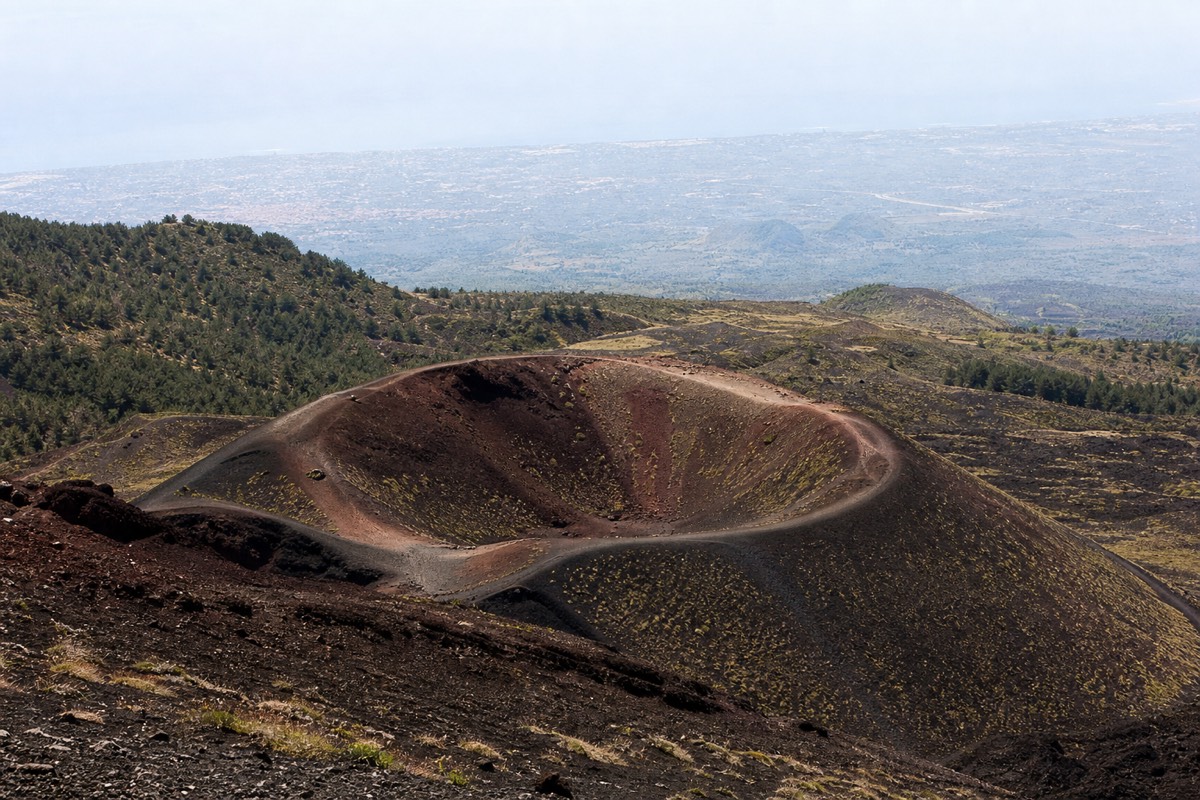
Where Catania is a coastal city that happens to have Etna looming behind it, Nicolosi is a mountain town that exists because of Etna. It sits close to the Silvestri Craters, a set of accessible older cinder cones that make an easy, low-effort stop for anyone who wants to stand on Etna's slopes without a full trek. The quad tour off-road adventure departs from near the Crateri Silvestri Restaurant Bar in Nicolosi and starts its 20km circuit at around 2,000m elevation, which gives a sense of how much higher Nicolosi already sits compared to Catania at sea level.
How do Catania, Nicolosi and Taormina actually compare?
Catania is the biggest and most convenient base with the most flights, hotels and restaurants; Nicolosi is the smallest and geographically closest to the volcano itself; Taormina sits farther away but trades proximity for one of Sicily's most scenic settings and its own dramatic Etna views. Each suits a different kind of trip.
| Town/City | Distance from Etna | What it offers |
|---|---|---|
| Nicolosi | On the mountain's southern slope, closest of the three | Direct access to Rifugio Sapienza, Silvestri Craters, and mountain-based tours; small, quiet, few hotels |
| Catania | At Etna's base on the coast, roughly a 30-45 minute drive to Rifugio Sapienza | Main airport, widest choice of hotels and restaurants, historic lava-stone center, most tour departures |
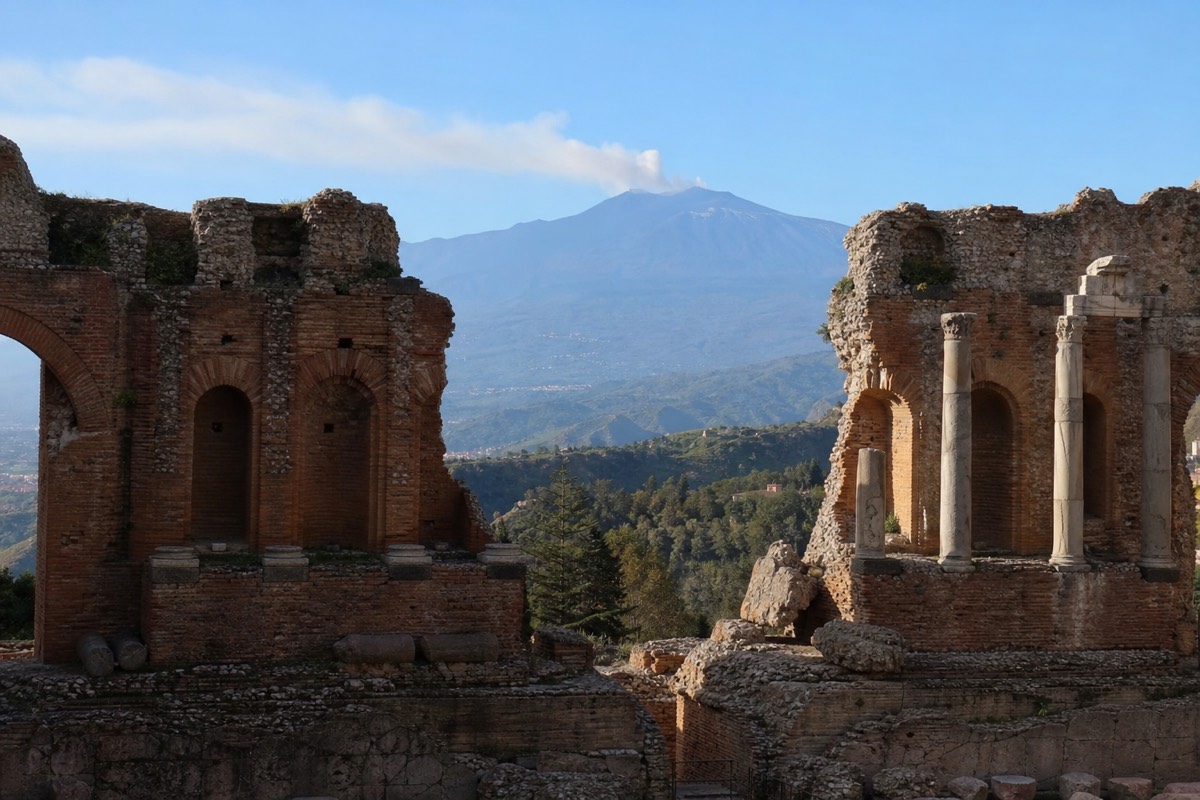
| Taormina | Farther north, roughly an hour or more to the southern slope | Resort town, the Greek theatre's famous framed Etna view, more scenic base for a slower trip |
If your main goal is getting onto the mountain itself with minimal travel time, Nicolosi wins on pure geography, though it has far fewer places to stay. If you want one base for the whole trip with flight connections, restaurants and easy tour pickups, Catania is the practical choice, which is why so many tours depart from there, including the hidden trails trekking tour from Catania. Taormina asks you to accept a longer drive to the volcano in exchange for a genuinely different, more resort-like trip; see our best day trips from Taormina guide for how that trade plays out in practice.
Which base should you actually pick for an Etna trip?
Base in Catania if Etna is your main focus and you want the shortest, most flexible drive up the mountain; base in Taormina if you want a slower, more scenic trip where Etna is one highlight among several; skip staying in Nicolosi unless you specifically want to be on the mountain itself with limited amenities.
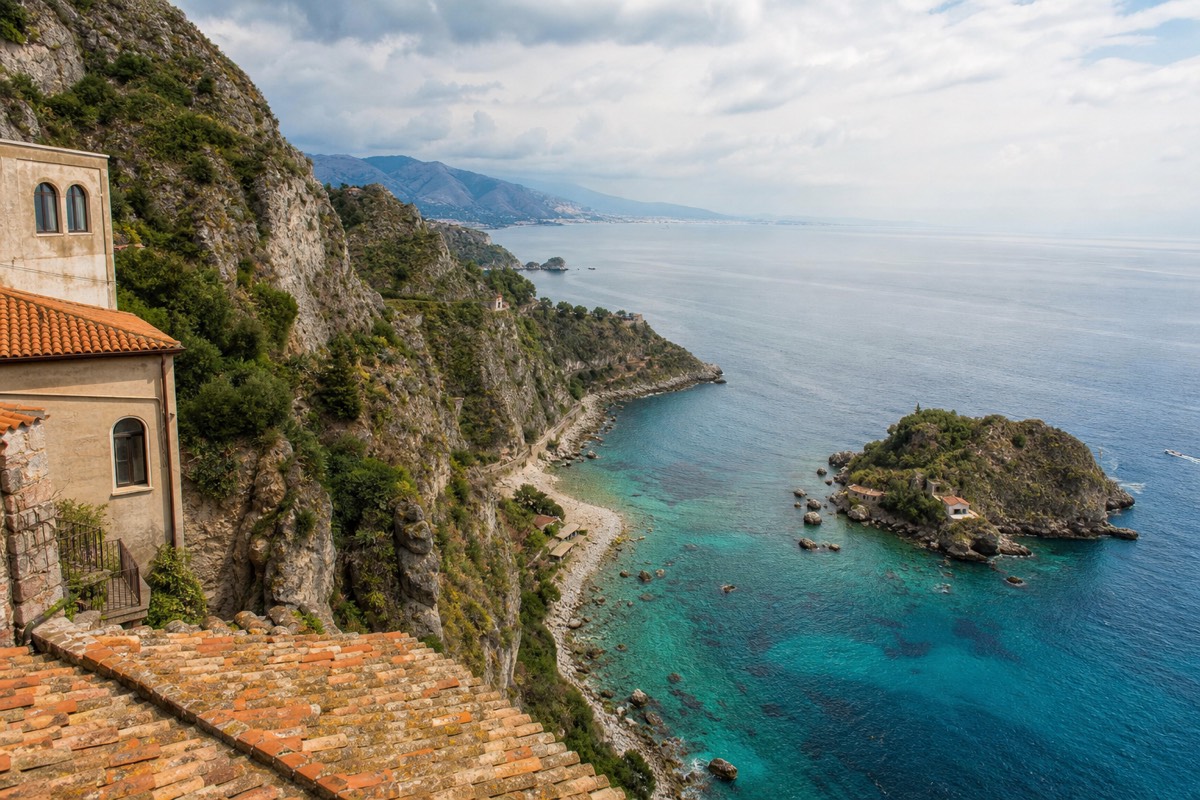
Most travelers end up in Catania simply because that's where the flights land and where most Etna tours depart, and it keeps the option open to also day-trip north to Taormina or the Alcantara Gorges. The Etna and Alcantara Gorges full-day tour picks up from both Taormina and Catania, which is one practical way to get the best of both bases without committing to a single one. For the full tour lineup by departure point, the tour comparison guide breaks down which excursions start where.
Does closest also mean best for a first Etna visit?
Not necessarily. Nicolosi wins on pure distance, but Catania usually wins on practicality, since it pairs proximity with flights, a wider hotel selection and most tour departures, which is why "closest" and "best base" point to different answers. Choosing between them comes down to what you're optimizing for.
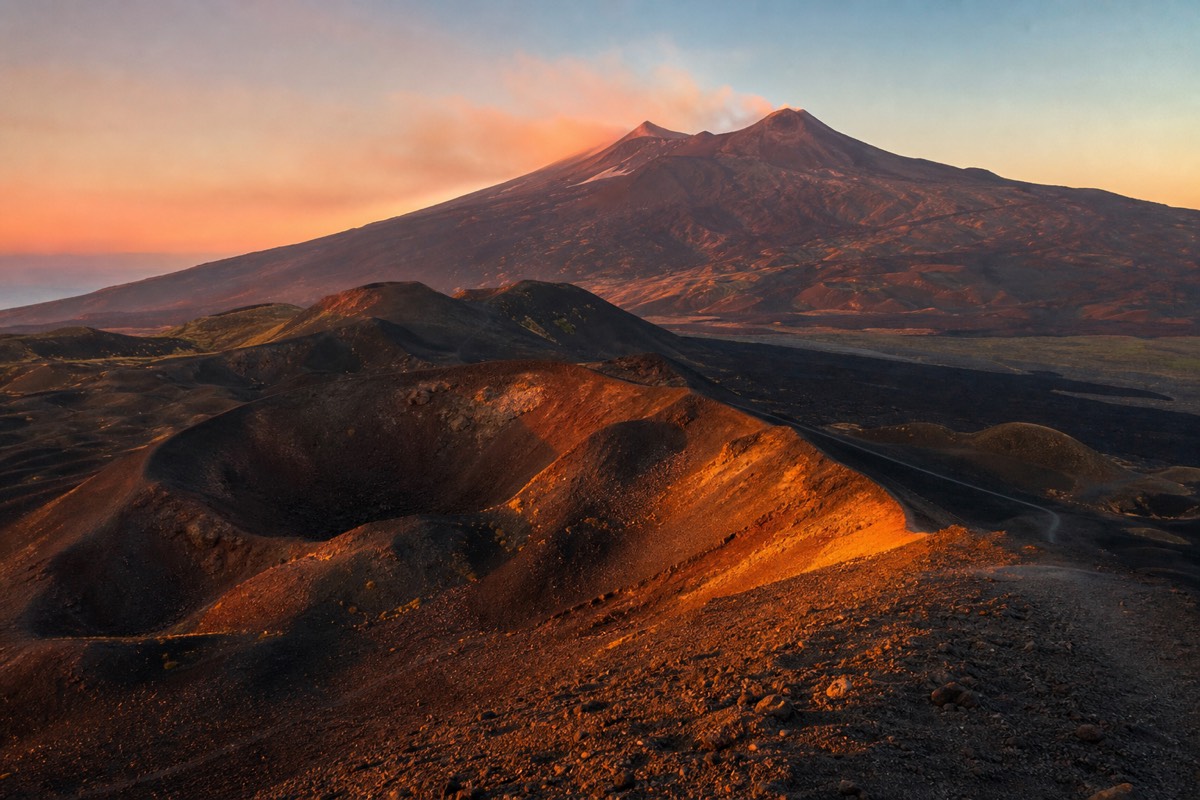
A traveler who wants the shortest possible drive to the mountain, and doesn't mind a smaller, quieter town with fewer dining and hotel choices, does genuinely well basing in or near Nicolosi. But most trips involve more than just Etna: flights in and out, a few nights of decent restaurants, maybe a side trip to Taormina or the coast, and Catania supports all of that in a way a small mountain town simply doesn't. It's also worth noting that Messina, Sicily's main cruise port on the northeastern tip, sits considerably farther from Etna than either Catania or Nicolosi; if you're arriving by cruise ship, our Mount Etna excursions from the Messina cruise port guide covers that transfer time honestly.
Why do towns exist so close to an active volcano in the first place?
Etna's slopes are unusually fertile, built up over centuries by mineral-rich volcanic soil, which is exactly why farming towns like Nicolosi took root there and why Catania grew into a major city right at the base rather than retreating inland. Proximity to Etna has historically been an asset, not just a risk to manage.
Vineyards, orchards and vegetable farms cover much of Etna's lower and middle slopes for this reason, and the volcano's long, well-documented eruptive history (see Etna's background on Wikipedia) is part of why UNESCO recognized it as a World Heritage Site, citing its exceptional ongoing geological activity alongside its ecological and scientific value. Locals have generally settled where the historical record shows lava flows are least likely to reach, which is part of why Nicolosi and Catania have persisted for centuries despite sitting on and around an active volcano.